- No Products In The Cart
- start shopping
Science of Raw vs. Processed Honey: What You are Really Eating
Honey has been a beloved natural sweetener for thousands of years, cherished not only for its flavour but also for its health benefits. From morning teas to baked goods, smoothies to skincare, honey has found its way into nearly every aspect of daily life. But not all honey is created equal. When you pick up a jar from the store, are you choosing raw honey or processed honey? Understanding the science behind these two types can help you make healthier, more informed choices.
What Is Raw Honey?
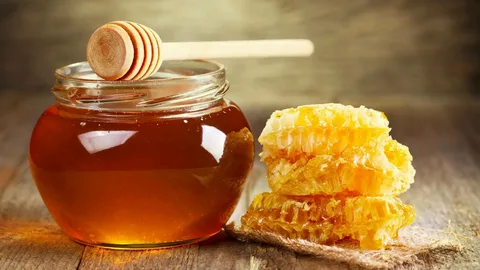
Raw honey is honey in its most natural form, extracted straight from the beehive and minimally processed. Unlike commercial honey, raw honey is not heated to high temperatures and is filtered lightly to remove large debris such as bee parts or wax. This minimal processing preserves most of the honey’s natural enzymes, antioxidants, vitamins, and minerals.
Key Features of Raw Honey:
- Rich in antioxidants: Raw honey contains flavonoids and phenolic acids that help fight free radicals.
- Contains natural enzymes: Such as diastase and invertase, which aid digestion.
- Has pollen and propolis: These compounds provide immune-boosting properties.
- Variety of flavors and colors: Depending on the flowers the bees visited, raw honey can taste floral, earthy, or fruity.
Many people prefer raw honey for its health benefits and authentic taste. It is often considered a superfood, especially when used in moderation as part of a balanced diet.
What Is Processed Honey?
Processed honey, sometimes labelled as pasteurised or commercial honey, undergoes heating and extensive filtration to improve appearance, prevent crystallisation, and extend shelf life. While this makes honey look smooth and clear, it also destroys many beneficial compounds, including enzymes and antioxidants.
Key Characteristics of Processed Honey:
- Heated at high temperatures: This pasteurisation kills yeast but also reduces enzyme activity.
- Heavily filtered: Removes pollen, propolis, and other nutrients.
- Uniform appearance: Clear, amber-colored honey with consistent texture.
- Long shelf life: Less likely to crystallise, but may be nutritionally inferior.
Processed honey is convenient for mass production and looks appealing on store shelves, but it lacks the health-promoting properties that make raw honey a natural remedy for many.
Nutritional Comparison: Raw vs. Processed Honey
Here’s what science says about the difference between raw and processed honey:
| Feature | Raw Honey | Processed Honey |
|---|---|---|
| Enzymes | High, intact | Mostly destroyed |
| Antioxidants | Preserved | Reduced |
| Pollen | Present | Removed |
| Taste | Unique, floral, complex | Mild, uniform |
| Shelf Life | Shorter | Longer |
| Health Benefits | Supports digestion, immunity | Mostly sugar content only |
In simple terms, raw honey offers more than just sweetness. It contains nutrients that help with digestion, immunity, and inflammation, while processed honey is mainly sugar with little added health value.
Health Benefits of Raw Honey
Raw honey has been praised for centuries not only for its taste but also for its therapeutic properties. Some benefits include:
- Boosts Immunity: The pollen, enzymes, and antioxidants help strengthen the immune system.
- Supports Digestive Health: Raw honey contains prebiotics that nourish good gut bacteria.
- Natural Energy Source: Its natural sugars provide quick energy without the crash of refined sugar.
- Wound Healing and Skin Care: Antibacterial properties help in treating minor cuts, burns, and skin issues.
- Sore Throat Relief: Raw honey coats the throat, reducing irritation and coughing naturally.
These benefits are mostly lost when honey is heavily processed, which is why choosing raw honey can be a smarter health choice.
How to Identify Raw Honey
Not all honey labeled “raw” is truly raw. Here’s how to spot the real deal:
- Check the label: Look for “raw” and “unpasteurized.” Avoid generic “pure honey” without details.
- Look for crystallization: Raw honey often crystallizes naturally over time, which is a sign of minimal processing.
- Read the source: Honey from local beekeepers is often raw.
- Avoid ultra-clear honey: If it looks too smooth and shiny, it’s probably processed.
Tips for Using Honey Wisely
Even though honey is natural, it’s still sugar-heavy, so moderation is key. Some tips include:
- Use 1–2 teaspoons daily for sweetening drinks or recipes.
- Replace refined sugar with raw honey in baking, tea, or smoothies.
- Store raw honey in a cool, dry place in a sealed container to maintain its quality.
Conclusion: Which Should You Choose?
Raw honey is nutritionally superior to processed honey because it retains natural enzymes, antioxidants, and pollen. Processed honey is mainly for appearance and long shelf life, sacrificing many health benefits. If your goal is better health, natural energy, and therapeutic use, raw honey is the clear winner.
Next time you reach for a jar of honey, think beyond taste, consider what’s actually inside. Choosing raw honey means you’re not just enjoying sweetness; you’re investing in your health, naturally.
Also Read: Honey flavors are artificial or natural?