- No Products In The Cart
- start shopping
What Is Raw Honey? The Complete Guide to Nature’s Purest Superfood
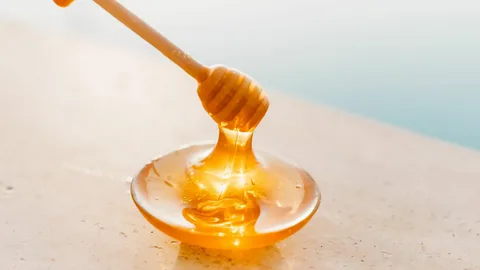
Raw Honey Is Unheated, Unfiltered Honey — And Here Is Why That Matters
Raw honey is honey extracted from the hive and bottled without pasteurisation or aggressive filtration. This minimal processing preserves naturally occurring enzymes, antioxidants, bee pollen, and propolis that commercial heating destroys. That single distinction — processed versus unprocessed — is what separates a genuinely nutritious food from a refined sweetener that happens to come from bees.
If you have stood in a supermarket aisle wondering whether honey is actually good for you, or searched specifically for what is raw honey and why it commands a higher price, this guide answers both questions in full. The honey health benefits people associate with the product — immune support, antibacterial activity, antioxidant protection — are specifically properties of raw, minimally processed honey. Much of what fills supermarket shelves has been heated and filtered to the point where those benefits are significantly diminished.
At Natures Oasis, we source, stock, and use raw honey daily. Over years of working directly with our beekeeping partners, we have seen how dramatically extraction method, heat exposure, and filtration level affect what ends up in the jar — and what does not. This guide covers everything you need to know: how to define honey in its truest form, the nutrients in raw honey, the science behind its health benefits, how it differs from pasteurised and cold pressed varieties, and how to use it every day.
What Is Raw Honey? How to Define Honey in Its Purest Form
Raw honey is honey that has been extracted from the hive and bottled with minimal interference. It has not been pasteurised, has not been subjected to high heat, and has not been aggressively filtered. What you get in the jar is as close to what exists in the hive as possible — complete with its naturally occurring enzymes, antioxidants, bee pollen, propolis, and trace minerals.
To define honey properly in the raw sense is to separate it from the heavily processed product that dominates supermarket shelves. Commercial honey is often heated to temperatures that destroy its most valuable compounds, then filtered to the point where the pollen — which is not only nutritious but also serves as a means of tracing honey’s geographical origin — is entirely removed.
What is pure raw honey specifically? It means there are no additives, no blended syrups, no added sweeteners, and no alteration through heat. It is single-origin, minimally processed, and retains the full biological complexity that nature intended.
Genuine raw honey shares several reliable characteristics:
- Unpasteurised and never subjected to temperatures above 45 degrees Celsius
- Minimally strained to remove only large physical debris like wax or bee parts
- Contains no artificial ingredients, added sugars, or preservatives
- Naturally retains bee pollen, propolis, royal jelly, and trace beeswax
- Will typically crystallise over time, which is a natural and desirable sign of purity
Shop Our Pure Raw Honey Collection at Natures Oasis
What Is Pasteurised Honey and Why Does It Matter?
Pasteurised honey is honey that has been heated — typically to temperatures between 70 and 80 degrees Celsius — before bottling. To fully understand what is pasteurised honey, you need to know why that heat matters and what it removes.
The stated purposes of this process are to extend shelf life, prevent fermentation, and improve the visual clarity of the honey. It also makes the product easier to filter and bottle at a commercial scale. None of these reasons relate to safety. Genuine, properly harvested honey is naturally antibacterial, naturally low in moisture, and naturally resistant to microbial growth. It does not need to be heated to be safe for consumption by adults and children over twelve months old.
The problem is that the heat involved in pasteurisation is not selective. It degrades or destroys heat-sensitive enzymes including invertase and diastase, reduces the activity of antioxidant compounds, removes or damages bee pollen, and diminishes the propolis content. What remains after this process is a sweet, shelf-stable syrup that is far less nutritionally complex than what went in.
Understanding what is pasteurised honey makes the value of raw honey immediately clear. When the choice is between a product that retains its full biological complexity and one that has had much of that complexity deliberately removed, the case for raw honey speaks for itself.
Raw Honey vs Pasteurised Honey — A Direct Comparison
| Feature | Raw Honey | Pasteurised Honey |
| Processing Method | Unheated, minimally strained | Heated to 70–80 degrees Celsius |
| Enzyme Content | Fully active and intact | Largely degraded or destroyed |
| Antioxidant Activity | High and bioavailable | Significantly reduced |
| Bee Pollen and Propolis | Naturally present | Filtered and removed |
| Texture and Appearance | Thicker, cloudier, crystallises naturally | Smooth, clear, stays liquid |
| Flavour Complexity | Rich, floral, variety-specific | Uniformly sweet, one-dimensional |
| Nutritional Value | Full spectrum of bioactive compounds | Primarily sugars |
What Is Cold Pressed Honey? The Most Nutrient-Dense Method of Extraction
Cold pressed honey is extracted from the honeycomb using gentle mechanical pressure at consistently low temperatures, rather than centrifuge spinning or applied heat. That straightforward distinction is the reason it qualifies as the most nutrient-dense form of honey available.
This method, sometimes called the Scrape and Separate approach, involves physically working the honeycomb and allowing gravity and gentle pressure to release the honey. Because no heat is involved at any stage, every heat-sensitive compound — the enzymes, the active pollen, the delicate antioxidant polyphenols — remains fully intact.
The result is honey with a naturally crystalline structure, a denser and more complex texture, and a flavour profile that varies noticeably depending on the floral sources the bees visited. If maximum nutritional value is your priority, cold pressed raw honey is the appropriate choice.
Explore Our Cold Pressed Honey at Natures Oasis
Nutrients in Raw Honey: What Makes It a Honey That Is Good for You
The bioactive properties of honey are attributed to a range of molecules, including flavonoids, phenolic acids, proteins, enzymes, oligosaccharides, vitamins, and minerals, according to a 2026 review published in Food Science and Nutrition (Bolat et al., Food Science & Nutrition, 2026). It is the interaction between all of them — not any single compound — that gives raw honey its complex nutritional profile. Here is what those nutrients actually are and what they do.
Flavonoids and Phenolic Antioxidants
Raw honey is a notable source of flavonoids and phenolic acids — two families of antioxidant compounds that help protect the body’s cells from oxidative damage. Oxidative stress, caused by an accumulation of free radicals, is a key driver of accelerated ageing and is closely associated with the development of chronic diseases including cardiovascular disease, type 2 diabetes, and certain cancers. Research consistently shows that darker-coloured raw honeys, such as buckwheat or forest honey, carry particularly high antioxidant loads (Multidimensional Comparative Analysis of Bioactive Phenolic Compounds of Honeys of Various Origin, PMC8065985).
Active Enzymes
One of the clearest markers of genuine raw honey is the presence of active enzymes — and one of the clearest signs of over-processed honey is their absence. Raw honey contains invertase, which breaks complex sugars into simpler, more easily absorbed forms, and diastase, which supports the digestion of starches — both documented in the Bolat et al. 2026 compound review (Bolat et al., Food Science & Nutrition, 2026). These enzymes work in harmony with your body’s own digestive processes, potentially reducing bloating and improving the overall efficiency of nutrient absorption from your meals.
B Vitamins and Essential Minerals
The nutrients in raw honey include meaningful quantities of B vitamins — particularly riboflavin, niacin, pantothenic acid, and B6 — which support energy metabolism, neurological function, and cellular repair. Raw honey also contains calcium, magnesium, potassium, and phosphorus, all of which are documented in the Bolat et al. 2026 review of honey’s mineral profile (Bolat et al., Food Science & Nutrition, 2026). While honey is not a primary dietary source of these nutrients, it contributes to overall intake in a way that refined sweeteners categorically do not.
Bee Pollen
Because raw honey is not subject to the fine filtration used in commercial processing, it naturally retains bee pollen particles. Bee pollen is itself a nutritionally complex substance, containing proteins, amino acids, vitamins, minerals, and a broad range of antioxidants. Its presence in raw honey contributes to the overall nutrient density of the product and is one of the reasons that raw honey and highly filtered commercial honey are not nutritional equivalents. For a full breakdown of bee pollen’s specific benefits, see our upcoming dedicated guide: The Complete Guide to Bee Pollen — Benefits, Uses, and Dosage.
Propolis
Propolis is the resinous compound that bees collect from tree sap and plant matter and use to seal and protect the hive. It has been studied for its antimicrobial, anti-inflammatory, and antifungal properties, and its presence in raw honey — in trace but bioactive quantities — adds another layer to the nutritional profile that pasteurised honey entirely lacks.
Natural Sugars and Prebiotic Compounds
The primary sugars in raw honey are fructose and glucose, present in a ratio that gives it a more measured glycaemic response than pure glucose or refined table sugar. Beyond the sugars themselves, raw honey contains oligosaccharides — short-chain carbohydrates that function as prebiotics, selectively feeding beneficial gut bacteria, as documented by Sanz et al. in their in vitro investigation into honey’s prebiotic potential (Sanz et al., Journal of Agricultural and Food Chemistry, 2005).
Honey Health Benefits: Eight Reasons Raw Honey Is Good for You
Here are eight well-documented health benefits of raw honey, grounded in peer-reviewed research, covering everything from cellular protection to digestive support.
1. Exceptional Antioxidant Activity
The health benefits of raw honey begin at the cellular level. The flavonoids and phenolic acids in raw honey help neutralise free radicals — unstable molecules that damage cells, accelerate ageing, and increase the risk of chronic disease. A review of honey’s bioactive compounds published in Food Science & Nutrition (2026) confirms that various in vitro and in vivo studies have demonstrated honey’s health-protective antioxidant effects (Bolat et al., 2026). This places raw honey in a different category from conventional sweeteners, which contribute calories without any protective effect.
2. Cardiovascular Support
Raw honey contains propolis and antioxidant compounds that research links to improvements in cholesterol profiles — specifically, reductions in LDL cholesterol alongside increases in protective HDL cholesterol. A randomised controlled cross-over trial published in the Journal of Diabetes and Metabolic Disorders (2020) found that LDL cholesterol decreased significantly in participants consuming natural honey over eight weeks (Sadeghi et al., 2020). Given that dyslipidaemia is one of the primary modifiable risk factors for cardiovascular disease, this is a clinically meaningful finding.
3. More Favourable Blood Sugar Response Than Refined Sugar
Both honey and refined sugar raise blood glucose levels, but honey does so differently. Research published in MDPI Nutrients (2018) indicates that honey’s antidiabetic effects are partly explained by its ability to modulate adiponectin levels — a hormone that reduces systemic inflammation and improves insulin sensitivity — alongside its antioxidant capacity (A Review on the Protective Effects of Honey against Metabolic Syndrome, MDPI, 2018). For those who are mindful of blood sugar but still want to use a natural sweetener, raw honey is a more considered choice than refined sugar, though people with diabetes should always seek medical guidance.
4. Natural Sore Throat and Cough Relief
This is one of the most well-established honey health benefits. The World Health Organisation formally identifies honey as a demulcent — a substance that soothes mucous membranes — for the symptomatic relief of cough and sore throat in children aged twelve months and older (WHO/FCH/CAH/01.02, World Health Organisation, 2001). A review in The American Academy of Family Physicians found that honey reduces cough frequency and severity compared with placebo (AAFP, 2016). It also found improved sleep for both patients and parents compared with no treatment.
5. Wound Healing and Skin Support
Raw honey has been used medicinally for wound care across cultures for thousands of years, and modern research has confirmed the mechanisms behind this traditional use. A study from the University of Leeds published in Materials (2017) confirmed that methylglyoxal in Manuka honey achieves significant antibacterial reduction against both gram-positive and gram-negative pathogens when applied to wound dressings (Bulman et al., Materials, 2017). Honey maintains appropriate moisture levels at the wound site, creates an osmotic environment that draws fluid away from damaged tissue, and has a pH that inhibits most pathogenic bacteria. For a full guide to external applications, see our upcoming post: Raw Honey for Skin — The Natural Beauty Guide.
6. Powerful Natural Antibacterial Properties
The antibacterial properties of raw honey come from multiple mechanisms acting simultaneously: hydrogen peroxide generated through the enzyme glucose oxidase, its naturally low pH, high osmolarity which draws water away from bacterial cells, and in Manuka honey specifically, methylglyoxal (MGO) — a compound whose concentration is up to 100-fold higher in Manuka than in conventional honeys (Majtan, eCAM, 2010). MGO provides an additional antibacterial mechanism that operates independently of hydrogen peroxide. Manuka honey is graded by its Unique Manuka Factor (UMF) rating, which reflects its MGO concentration and corresponding antibacterial strength. This multi-mechanism action makes it extremely difficult for bacteria to develop resistance against honey.
7. Digestive Health and Gut Microbiome Support
Raw honey contains naturally occurring prebiotic oligosaccharides that selectively feed beneficial gut bacteria including Lactobacillus and Bifidobacterium species, supporting a diverse and healthy microbiome, as demonstrated in the Sanz et al. in vitro investigation (Sanz et al., J Agric Food Chem, 2005). Research published in PMC (2011) found that honey has demonstrated inhibitory activity against Helicobacter pylori — the bacterium commonly associated with peptic ulcers — in laboratory settings, though larger-scale clinical trials are still needed to fully establish this use in humans (The Antibacterial Activity of Honey on Helicobacter Pylori, PMC).
8. Natural and Sustained Energy
The combination of fructose and glucose in raw honey provides both rapid and sustained energy delivery — glucose offers immediate fuel, while fructose is metabolised more slowly and replenishes liver glycogen stores over a longer period. This makes raw honey a practical natural fuel before, during, and after physical activity. For a full breakdown of athletic applications, see our upcoming guide: Honey for Athletes — Why Raw Honey Outperforms Commercial Energy Gels.
What Is Multifloral Manuka Honey? Understanding the Label
Multifloral Manuka honey is produced by bees that gather nectar from a variety of floral sources, including the Manuka tree alongside other native New Zealand plants and shrubs — and that distinction determines its nutritional profile. This contrasts with monofloral Manuka honey, where bees forage predominantly from Manuka flowers. The result is higher concentrations of methylglyoxal (MGO) — the primary compound responsible for Manuka honey’s distinctive antibacterial potency. UMF, or Unique Manuka Factor, is the independent grading system that certifies MGO concentration. Monofloral Manuka carries certified UMF ratings; multifloral typically does not.
Multifloral still contains meaningful antibacterial compounds, antioxidants, vitamins, and minerals — simply in lower concentrations than monofloral varieties. This makes it ideal for daily wellness use: stirring into tea, drizzling over porridge, incorporating into honey recipes, or using as a daily nutritional supplement without the cost of a high-UMF monofloral product.
Monofloral vs Multifloral Manuka — A Practical Comparison
| Monofloral Manuka | Multifloral Manuka | |
| Primary Nectar Source | Predominantly Manuka flower | Manuka plus multiple floral sources |
| MGO Concentration | Higher, more potent | Lower, gentler |
| UMF Certification | Certified and rated | Typically not UMF certified |
| Best Application | Therapeutic and medicinal use | Daily wellness, cooking, honey recipes |
| Relative Cost | Premium price point | More accessible and affordable |
| Antibacterial Potency | High to very high | Mild to moderate |
For the majority of people using Manuka honey as part of a general wellness routine — adding it to their morning ritual, incorporating it into honey recipes, or taking it as a daily tonic — multifloral or lower UMF options provide genuine nutritional value at a sustainable price.
Shop Our Manuka Honey Range at Nature’s Oasis
How to Use Raw Honey: Practical Daily Rituals
Understanding why raw honey is good for you is one thing. Consistently incorporating it into your daily routine is where the benefits become real.
The Morning Warm Honey and Lemon Drink
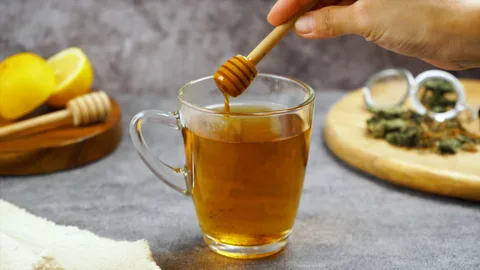
A teaspoon of raw honey stirred into warm lemon water on an empty stomach supports hydration and delivers antioxidants to start the day. For full preparation detail and seasonal variations, see our upcoming honey recipes guide.
Anti-Inflammatory Honey and Ginger Tea
Adding raw honey to warm ginger tea — optionally with a pinch of turmeric — combines the documented anti-inflammatory compounds of ginger’s gingerols and shogaols (PMC8232759) with the antimicrobial and antioxidant properties of raw honey. For full preparation detail and recipe variations, see our upcoming honey recipes guide.
Raw Honey Vinaigrette
Combine two tablespoons of raw honey with three tablespoons of cold-pressed extra virgin olive oil, one tablespoon of apple cider vinegar, a pinch of sea salt, black pepper, and a small amount of Dijon mustard. Whisk together until emulsified. For a complete seasonal collection of honey recipes, see our upcoming dedicated honey recipes post.
Bedtime Honey Ritual
A teaspoon of raw honey taken before bed — either directly or stirred into a warm chamomile tea — provides a gentle source of natural sugars to carry through the night without the stimulant effect of caffeine-containing alternatives.
Recommended daily intake: Research on honey health benefits most commonly examines quantities of one to two tablespoons per day — approximately twenty to forty grams. This is a practical and sustainable daily target for most healthy adults.
Browse Our Full Honey Range at Nature’s Oasis
How to Choose a Honey That Is Good for You
Given that raw honey is good for you in ways that commercially processed honey is not, choosing the right product matters enormously. Here is how to identify genuine, high-quality raw honey and avoid inferior products.
What Genuine Raw Honey Looks Like
Natural crystallisation. All genuine raw honey will crystallise over time. This is an inevitable consequence of the glucose content settling into a stable crystalline structure and is one of the most reliable indicators of an unprocessed product. The speed of crystallisation varies by variety — acacia honey remains liquid for longer, while clover and wildflower honey crystallise more quickly — but all true raw honey will eventually set.
Cloudiness and opacity. Raw honey is not visually pristine. It carries a natural cloudiness from suspended pollen particles, propolis traces, and microscopic air bubbles introduced during extraction. Perfectly clear, glass-like honey has been filtered to a degree that removes these particles — and with them, a significant portion of the nutritional content.
Complexity of flavour. Depending on the floral source, raw honey might be lightly floral, richly earthy, faintly fruity, or sharply robust. This complexity is the direct expression of the plants the bees foraged on and the unique blend of compounds in that particular batch.
Transparent sourcing information. Reputable producers of genuine raw honey will tell you clearly where their honey was produced, which floral sources the bees visited, how the honey was extracted, and how it was processed before bottling.
What to Avoid
Honey that remains permanently smooth, clear, and liquid regardless of age has almost certainly been pasteurised or finely filtered. Products labelled as honey blend, honey spread, or honey product may legally contain significantly less actual honey than their labelling implies, supplemented with cheaper sweeteners. Vague country of origin labelling — “blend of EU and non-EU honeys” — can indicate products sourced from regions with documented histories of honey adulteration.
Raw Honey Is Good for You — But Here Is Who Should Exercise Caution
Raw honey is safe across the vast majority of the population, but there are specific groups for whom extra care is warranted.
Children under twelve months old. This is an absolute restriction. Honey of any kind — raw, pasteurised, organic, or otherwise — must never be given to infants under one year of age. Honey can contain Clostridium botulinum spores that produce toxins within an infant’s immature gut, potentially causing infant botulism — a rare but serious condition that can be life-threatening. This restriction applies regardless of the quality or source of the honey.
People with diabetes. While raw honey has advantages over refined sugar in terms of glycaemic response and additional nutritional compounds, it is still a source of natural sugars that will elevate blood glucose levels. People with diabetes should factor honey into their overall carbohydrate management, exercise appropriate portion control, and consult their healthcare provider before making it a regular part of their diet.
People with pollen allergies. Because raw honey retains naturally occurring bee pollen, a small number of people with existing pollen allergies may experience reactions. If you have a known pollen sensitivity, start with a very small quantity and observe your response before gradually increasing intake.
Immunocompromised individuals. People with significantly compromised immune systems should seek medical advice before consuming raw honey, as its unpasteurised nature means it retains all naturally occurring microorganisms alongside its beneficial compounds.
Why Choose Nature’s Oasis for Your Raw Honey
At Nature’s Oasis, our range is built around a single principle: that a honey that is good for you should be exactly that — genuinely good for you, not just marketed as such.
In practice, this means we work only with beekeeping partners who can demonstrate responsible harvesting, controlled extraction temperatures, and minimal processing from hive to jar. When we visit our suppliers, the question we ask is not whether the honey looks good in the bottle but whether what is in the bottle matches what the bees produced in the hive. We are UK-based, which means fast and reliable delivery across Britain and a team with genuine day-to-day experience working with these products.
Our Bestselling Raw Honey Products
| Product | Best For | Link |
| Pure Raw Wildflower Honey | Everyday wellness, honey recipes, and cooking | Shop Now |
| Raw Manuka Honey MGO 100+ | Immune support, sore throats, and wound care | Shop Now |
| Multifloral Manuka Honey | Daily nutritional use and affordable wellness | Shop Now |
| Cold Pressed Raw Honey | Maximum nutrient retention and premium quality | Shop Now |
| Raw Acacia Honey | Gentle daily sweetener with slow crystallisation | Shop Now |
| Raw Buckwheat Honey | High antioxidant content and robust flavour |
Shop Now |
Final Word: Raw Honey Is Good for You — Choose It With Intention
The honey health benefits documented by modern science are genuine, well-evidenced, and wide-ranging. The nutrients in raw honey — its antioxidants, enzymes, pollen, propolis, vitamins, and minerals — create a nutritional profile that no refined sweetener can approach. Whether you are interested in the health benefits of raw honey for cardiovascular protection, immune support, digestive wellness, skin care, or as a more nutritious alternative to refined sugar, the evidence consistently supports making the switch.
Raw honey what is it good for? In short: more than most people realise. The most important step is choosing a genuinely pure, raw product from a source you trust — and using it consistently.
Frequently Asked Quetions:
Honey — is it good for you, and what does the research say?
Yes. The health benefits of raw honey that research consistently supports include improved antioxidant status, beneficial effects on cholesterol, natural antibacterial activity, cough and sore throat relief, wound healing, and digestive support — all documented in peer-reviewed studies linked throughout this guide. These benefits are specifically associated with raw, minimally processed honey.
What is raw honey good for in everyday life?
Raw honey serves as a nutritious natural sweetener, an immune-supporting tonic, a digestive aid, and a natural energy source. Applied topically, its antibacterial and humectant properties help manage acne and moisturise dry skin. Its range of daily applications makes it one of the most practical natural foods to keep as a regular staple.
What is the difference between raw honey and pasteurised honey?
Pasteurised honey is heated to high temperatures to improve shelf appearance and extend commercial viability, destroying enzymes, degrading antioxidants, and removing pollen. Raw honey is not heated above 45 degrees Celsius and is minimally filtered, preserving the full nutritional profile of honey as it exists in the hive. In nutritional terms, the two are not equivalent products.
What is cold pressed honey and is it better than standard raw honey?
Cold pressed honey is extracted using mechanical pressure at consistently low temperatures, preserving even more of honey's delicate active compounds than standard raw honey methods. Both are significantly superior to pasteurised honey, but cold pressed is the appropriate choice for those prioritising maximum nutritional value from every serving.
What is multifloral Manuka honey and how does it compare to monofloral?
Multifloral Manuka honey is produced from bees visiting multiple flower types including Manuka, resulting in lower MGO concentrations than monofloral varieties. Monofloral Manuka, sourced predominantly from a single Manuka nectar source, carries higher MGO and a certified UMF rating, making it suited to therapeutic use. Multifloral is well-suited to daily wellness use and honey recipes at a more accessible price.
What is pure raw honey and how do I know if my honey is really raw?
Pure raw honey means single-origin honey with no additives, no heat treatment, and no fine filtration. Reliable indicators include natural crystallisation over time, a naturally cloudy appearance, complex floral flavour, and transparent supplier labelling that details exactly how the honey was harvested and processed.
Is raw honey good for you if you have diabetes?
Raw honey has a more favourable glycaemic response than refined sugar and contains beneficial compounds that refined sugar does not. However, it still raises blood sugar levels and must be accounted for within your overall daily carbohydrate intake. Always consult your GP or a registered dietitian before changing your approach to sweeteners if you are managing diabetes.
Does raw honey expire?
Raw honey does not expire in any practical sense. It may crystallise over time, but crystallisation is a sign of quality rather than spoilage. To return crystallised honey to a liquid state, place the sealed jar in warm water and stir gently — never use boiling water or a microwave, as both will damage the active enzymes and antioxidants.
Can babies eat raw honey?
No. Babies under twelve months old should never be given honey of any kind, including raw honey. Honey can contain Clostridium botulinum spores that produce toxins in the immature gut of an infant, potentially causing infant botulism — a rare but serious and potentially life-threatening condition. This restriction applies regardless of how pure or high-quality the honey is.