- No Products In The Cart
- start shopping
Eating Raw Honey: Benefits, Risks and How to Use It Safely
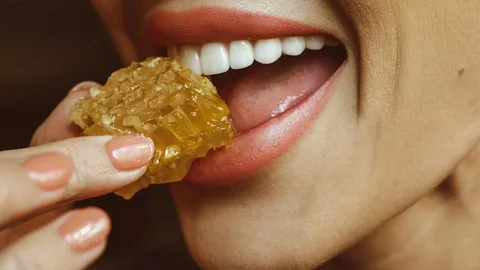
Raw honey is unheated, unfiltered honey that retains active enzymes, pollen, and antioxidant polyphenols destroyed by commercial pasteurisation. Eating raw honey in moderation delivers evidence-backed benefits — including antibacterial action, digestive support, and sore-throat relief — and is safe for most healthy UK adults. Infants under 12 months and immunocompromised individuals must avoid it entirely.
What Is Raw Honey?
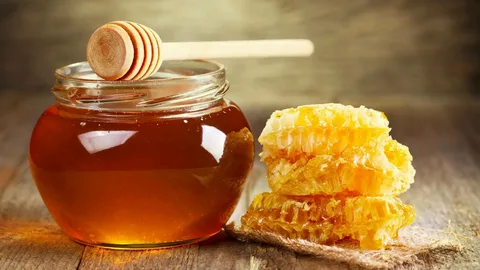
Raw honey is honey that travels from hive to jar with no pasteurisation, no heavy filtration, and no blending. It retains active enzymes (diastase and invertase), pollen grains, propolis, natural yeasts, and antioxidant polyphenols — all of which commercial heating and filtration reduce or destroy.
The word “raw” on a UK honey label is a voluntary marketing term, not a legally defined food grade. Terms like “natural,” “pure,” and “organic” do not confirm a honey is unpasteurised. The only reliable check is verifying the product has never been heated beyond natural hive temperature — approximately 35°C.
At Natures Oasis, we work directly with beekeepers whose honey goes straight from the hive to the jar without pasteurisation, blending, or heavy filtration — so every jar keeps its full enzyme and pollen profile intact.
Manuka honey contains methylglyoxal (MGO), a compound specific to that variety and not a general attribute of raw honey — covered separately in our Manuka honey guide.
Raw Honey vs Regular Honey: What Pasteurisation Removes
Pasteurisation removes active enzymes, heat-sensitive polyphenols, and most pollen grains from honey — along with the natural yeasts that cause fermentation. The process heats honey above 70°C to stabilise colour and texture, slow crystallisation, and extend shelf life.
Regular commercial honey is then heavily filtered, removing the pollen particles used to trace botanical and geographic origin.
| Attribute | Raw Honey | Pasteurised Commercial Honey |
| Heat treatment | None | Typically above 70°C |
| Filtration | Minimal | Heavy (ultra-filtered) |
| Pollen present | Yes | Mostly removed |
| Enzymes active | Yes (diastase, invertase) | Reduced or destroyed |
| Appearance | Often cloudy or opaque | Clear and smooth |
| Shelf life | Shorter (crystallises faster) | Longer |
What Nutrients Does Raw Honey Contain?
Raw honey is composed primarily of natural sugars — approximately 38% fructose and 31% glucose, both already in free monosaccharide form. This fructose-to-glucose ratio partly explains why honey has a lower glycaemic index than table sugar: fructose is metabolised through the liver rather than entering the bloodstream directly.
| Nutrient | Per tablespoon (21 g) |
| Calories | 64 kcal |
| Total sugar | 17 g |
| Protein | Trace |
| Fat | 0 g |
| Key vitamins | Niacin, riboflavin, pantothenic acid (small amounts) |
| Key minerals | Calcium, magnesium, manganese, potassium, zinc (small amounts) |
(Source: USDA FoodData Central
Raw honey also contains small amounts of amino acids, which vary by floral source and processing temperature. It contains bioactive compounds that pasteurised honey lacks or carries in reduced quantities — antioxidant polyphenols (flavonoids and phenolic acids), active enzymes (diastase, invertase, glucose oxidase), bee pollen, and propolis.
Raw honey scores an average glycaemic index of approximately 58, compared to approximately 65 for table sugar. Individual varieties range widely — acacia honey can be as low as GI 32.
Raw honey’s vitamins and minerals are present in quantities too small to meaningfully contribute to recommended daily intakes at a one-to-two teaspoon daily serving. The nutritional value of raw honey lies in its bioactive compound content, not its micronutrient contribution. Raw honey is still classified as a free sugar under UK SACN dietary guidance — the same category as refined sugar and syrups.
What Are the Health Benefits of Eating Raw Honey?
Raw honey delivers antioxidant, antibacterial, digestive, respiratory, cardiovascular, anti-inflammatory, and immune-support benefits — each examined below with its evidence base and honest limitations.
1. Rich Source of Antioxidants
Raw honey contains polyphenols — including flavonoids and phenolic acids — that act as phytonutrients, neutralising free radicals. Free radicals cause oxidative stress, which damages cells and contributes to chronic conditions including cardiovascular disease.
Darker raw honeys carry higher polyphenol concentrations. A clinical study found that high-antioxidant buckwheat honey significantly increased plasma total phenolic concentration and plasma antioxidant capacity in healthy subjects compared to lower-antioxidant varieties — confirming that colour is a reliable proxy for phenolic content. A 2024 review of honey’s clinical effects confirmed that honey’s antioxidant activity is primarily owed to its phytochemical content, particularly phenolic compounds.
A 2023 review of 48 clinical trials (3,655 subjects) found honey protective across the respiratory, gastrointestinal, cardiovascular, and nervous systems.
2. Antibacterial and Antifungal Properties
Raw honey produces hydrogen peroxide through the enzyme glucose oxidase. Glucose oxidase reacts with water and oxygen to generate this natural antiseptic — and the reaction continues as long as the enzymes remain active.
Propolis — a resinous compound bees make from their saliva, beeswax, and plant material — adds a second layer of antifungal and antibacterial protection that works independently of hydrogen peroxide. Research indicates effectiveness varies by honey variety and concentration.
Raw honey’s antibacterial properties apply to internal consumption; topical wound applications use medically certified products outside the scope of this guide.
3. May Support Digestive Health
Raw honey acts as a prebiotic — it contains compounds that selectively feed beneficial gut bacteria, particularly Lactobacillus and Bifidobacterium. A clinical study in children with bacterial gastroenteritis found significantly faster recovery when honey replaced glucose in oral rehydration solution (Haffejee & Moosa, 1985; cited in.
4. Soothes Sore Throats and Suppresses Nocturnal Cough
Raw honey relieves sore-throat pain and reduces cough frequency. A 2021 systematic review and meta-analysis by Abuelgasim, Albury and Lee, published in BMJ Evidence-Based Medicine, found honey superior to usual care — including antihistamines and cough suppressants — for improving upper respiratory tract infection symptoms, particularly nocturnal cough .
The mechanism is physical: honey’s thick, viscous texture coats the throat lining like a demulcent, reducing irritation. It also stimulates salivation and mucus secretion from the respiratory tract, which helps clear irritants from the airway.
The British Heart Foundation has noted that some of this soothing effect may come from the warmth of the drink and general hydration, rather than from honey alone. The evidence is strongest for honey as a cough suppressant in children.
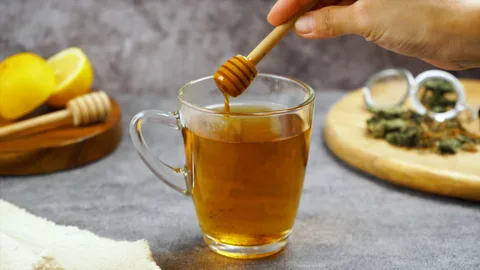
In my experience advising clients, a teaspoon of raw honey stirred into warm water with lemon is the single most practical and well-tolerated use that people stick with long term.
5. May Support Heart Health
Several clinical trials have associated regular honey intake with improvements in blood lipid profiles: reductions in total cholesterol, LDL cholesterol, and triglycerides, alongside increases in HDL cholesterol (Palma-Morales et al., 2023.
Most of these beneficial cardiovascular results came from trial doses of 50–70 g per day — containing approximately 51–60 g of sugar — which far exceeds the UK recommended free-sugar limit of 30 g per day. Do not consume raw honey at clinical trial doses for heart health.
Flavonoids in raw honey do support cardiovascular function by reducing blood platelet aggregation and helping protect LDL cholesterol from oxidation. The benefit at realistic serving sizes (1–2 teaspoons) is modest.
Raw Honey Contains Anti-Inflammatory Compounds
Polyphenols and flavonoids in raw honey reduce the production of pro-inflammatory cytokines — signalling proteins that drive the inflammatory response. The enzymes catalase and glucose oxidase also reduce histamine production, a compound central to both allergic and general inflammatory reactions.
Raw honey is sometimes claimed to help seasonal allergies on the basis that local pollen in raw honey may build tolerance. A clinical trial by Rajan et al. (2002), published in Annals of Allergy, Asthma & Immunology, found no significant improvement in allergic rhinoconjunctivitis symptoms from honey consumption. The allergy evidence remains inconclusive.
Most anti-inflammatory evidence for honey comes from laboratory and animal studies. Human clinical trial evidence for anti-inflammatory effects of eating raw honey in healthy adults is limited.
Raw Honey May Support Immune Function
Raw honey’s polyphenols, enzymes, bee pollen, and propolis collectively contribute to immune system modulation. A 2023 review found evidence of protective effects on the respiratory and gastrointestinal systems.
The European Food Safety Authority (EFSA) concluded in 2010 that the claim honey “stimulates the whole metabolism and the immune system” was not sufficiently characterised by available evidence (EFSA Journal 2010;8:1484; cited in.
Raw honey is a reasonable addition to a balanced diet that supports overall wellbeing.
What Are the Risks of Eating Raw Honey?
Grayanotoxin poisoning, pollen-triggered allergic reactions, and bacterial contamination from Clostridium botulinum are the three established risks of eating raw honey — each affecting specific groups rather than the general adult population.
Infant Botulism — Why Babies Must Never Eat Honey
Infants under 12 months must never be given any honey — raw or pasteurised. This is a firm rule with no exceptions.
Clostridium botulinum spores can germinate in a baby’s immature gut and produce botulinum toxin. A healthy adult’s gut flora and stomach acid prevent this from occurring. The CDC states: do not feed honey to a child younger than 1 year old.
Infant botulism symptoms progress in a recognisable pattern: constipation appears first, followed by lethargy, poor feeding, weak cry, drooping eyelids, loss of head control, and downward-spreading muscle weakness. Seek emergency medical attention immediately.
In adults, botulism is rare and almost exclusively affects immunocompromised individuals. Adult symptoms include diarrhoea and vomiting initially, then constipation, blurred vision, and muscle weakness.
In clinical nutrition consultations, immunocompromised patients — particularly those undergoing chemotherapy — are routinely counselled to avoid raw honey and other unpasteurised foods as a precautionary measure.
Pollen and Bee Venom Allergy Risk
Raw honey retains pollen grains that commercial filtration removes. These grains can trigger allergic reactions in people with pollen sensitivity or hay fever — from mild oral itching (oral allergy syndrome) to, in rare cases, anaphylactic shock.
People with a known bee-sting (bee venom) allergy should also exercise caution. Raw honey contains trace glycoproteins shared between bee venom and honey. These shared proteins can cause cross-reactivity in sensitised individuals.
If you have severe hay fever, any diagnosed pollen allergy, or a bee venom allergy, consult your GP before eating raw honey.
What Is “Mad Honey” Poisoning? — Natural Toxins in Some Raw Honeys
Mad honey poisoning is caused by grayanotoxin — a natural compound that accumulates in honey when bees forage heavily from Rhododendron and Ericaceae plant species. It causes nausea, vomiting, low blood pressure, and slowed heart rate; severe cases may involve shock.
Reported cases are concentrated in the Black Sea region of Turkey, Nepal, and parts of New Zealand and North America. Honey bees forage up to several kilometres from the hive, so the risk depends on what plants dominate the surrounding landscape during flowering.
Based on the relative scarcity of Rhododendron-dominated forage areas near most domestic UK apiaries, the grayanotoxin risk from UK-produced raw honey is likely lower than in high-risk regions — though no published UK-specific risk assessment has been identified for this guide. When buying imported raw honey from higher-risk regions, purchase from reputable producers with traceable sourcing.
Who Should Not Eat Raw Honey?
Infants under 12 months, immunocompromised adults, people with pollen or bee venom allergy, pregnant individuals with underlying conditions, and those managing diabetes should avoid or limit raw honey — detailed below.
- Infants under 12 months — no honey of any kind, raw or pasteurised, ever. Botulism risk is real and serious. No exceptions.
- Immunocompromised adults — people undergoing chemotherapy, living with HIV, or taking immunosuppressant medication face elevated risk. C. botulinum spores may germinate when immune defences are compromised. Consult your GP or oncology dietitian.
- People with pollen, bee pollen, or bee venom allergy — raw honey retains pollen and trace bee proteins. Reactions can range from oral tingling to anaphylaxis. Avoid raw honey with any diagnosed allergy.
- Pregnant individuals — NHS Scotland states clearly: it is fine to eat honey while pregnant, but you should not give it to your baby until they are over a year old.
The NHS England Foods to Avoid page does not list honey as a food to avoid during pregnancy. Those with gestational diabetes or immune compromise during pregnancy should speak with their midwife or GP.
- People managing blood glucose (type 1 or type 2 diabetes) — raw honey still raises blood glucose and counts as a free sugar. Monitor intake closely and seek guidance from your GP or diabetes dietitian for personalised advice.
For every group except infants, pasteurised honey is the lower-risk alternative. Seek personalised medical advice for any underlying health condition.
How Much Raw Honey Should You Eat Per Day?
One to two teaspoons per day (approximately 7–14 g) is a reasonable and sustainable daily amount for most healthy adults.
One tablespoon of raw honey (21 g) contains 17 g of sugar. The UK SACN recommends adults consume no more than 30 g of free sugars per day. One tablespoon alone uses more than half that allowance.
One teaspoon (7 g) contains approximately 5.7 g of free sugar. Two teaspoons (14 g) contain approximately 11.4 g. This leaves 18–24 g of headroom for other natural and added sugars in your diet.
Daily raw honey guide for healthy adults: ✅ 1–2 teaspoons (7–14 g) — a practical daily amount ⚠️ 1 tablespoon (21 g) — approaching the limit; fine occasionally ❌ 50–70 g (used in clinical trials) — exceeds the UK free-sugar daily limit
Most clinical trials reporting cardiovascular or metabolic benefits used 50–70 g per day. The British Heart Foundation has noted that reaching the doses used in these trials would require consuming an amount of free sugar that effectively cancels out the observed benefits.
When advising clients on healthy substitutions, a teaspoon of raw honey replacing refined sugar in morning tea or porridge is a realistic and sustainable swap. Treating honey as a daily supplement at tablespoon-plus doses is not advisable due to its free-sugar load.
Raw honey eaten every day at one to two teaspoons is safe for most healthy adults.
How Do You Eat Raw Honey? (Methods and Best Uses)
Raw honey can be eaten straight from the jar, stirred into drinks, or used in food — but some methods preserve its bioactive properties better than others. Six practical methods, from most enzyme-preserving to least:
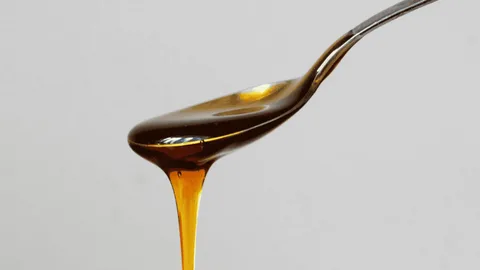
- Straight from the spoon — eat one teaspoon directly. No preparation, no heat, all enzymes and polyphenols fully preserved. The simplest method.
- Stirred into warm water with lemon — a traditional sore-throat and morning wellness drink. Boil the water, then allow it to cool for 3–4 minutes before adding raw honey. The water should be warm, not steaming.
- Drizzled over yoghurt or porridge — combines raw honey’s polyphenols with the probiotic cultures in live yoghurt or the fibre in oats. Neither application involves heat high enough to degrade enzymes.
- Blended into a cold or room-temperature smoothie — all bioactive compounds remain intact at low temperatures.
- Whisked into a salad dressing — raw honey combined with apple cider vinegar, olive oil, and mustard in a cold preparation. No heating involved.
- Spread on warm toast — residual warmth from toast does not reach temperatures sufficient to meaningfully destroy enzymes. Avoid placing raw honey directly onto very hot food straight from the grill or oven.
Does Heating Raw Honey Destroy Its Benefits?
Yes — enzymes in raw honey begin to degrade above approximately 40°C (104°F)). At 100°C (boiling point), effectively all enzyme activity is destroyed.
A practical test: if the mug is too hot to hold comfortably against the outside with your bare hand, the liquid inside is too hot for raw honey. Allow it to cool first.
Three common mistakes to avoid:
- Adding raw honey to boiling water destroys the enzyme activity and polyphenol content. For hot drinks, allow boiled water to cool for at least 3 minutes before stirring in honey.
- Microwaving crystallised raw honey creates uneven hot spots that selectively destroy enzymes. Place the sealed jar in a bowl of warm water (below 40°C) instead.
- Baking with raw honey exposes it to oven temperatures that far exceed 40°C. For cooking and baking, pasteurised honey performs identically and is the better choice.
How Do You Identify Genuine Raw Honey?
Look for the word “raw” on the label — and then verify beyond it. In the UK, “raw” is not a legally defined food grade. It is a voluntary marketing descriptor with no regulatory guarantee. “Natural,” “pure,” and “organic” do not confirm unpasteurised status.
Four checkable authenticity markers:
- The label says “raw” — and provides provenance. The word “raw” is the starting point. Beyond it, look for a named beekeeper, a specific county or region of origin, or a batch number. Vague labels with no traceable origin are a warning sign.
- The honey is cloudy or opaque. Raw honey contains suspended pollen, propolis, and wax particles that make it naturally cloudy. Commercial ultra-filtered honey appears clear and glossy. A jar labelled “raw” that is perfectly transparent warrants scrutiny.
- It crystallises. Raw honey crystallises faster than ultra-filtered commercial honey. Retained pollen grains and higher glucose content provide nucleation sites for crystal formation. Crystallised raw honey is not spoilt — it is a physical indicator of minimal processing. To re-liquefy, place the sealed jar in warm water (not above 40°C). Never microwave.
- Diastase Number (DN) — the technical marker. Some premium producers state the Diastase Number on the label. DN measures the activity of the enzyme diastase, which degrades with heat. The Codex Alimentarius (FAO/WHO standard CXS 12-1981) requires a minimum diastase activity of 8 Schade units for commercial honey.
Fresh raw honey typically scores between 15 and 30 DN. A high DN signals minimal heat exposure.
Where to buy genuine raw honey in the UK: UK farmers’ markets with beekeeper-direct stalls. Local apiary websites with named, traceable honey. Specialists like Natures Oasis that source directly from trusted beekeepers and provide full provenance documentation. Avoid mass-market jars without clear origin information.
Key Takeaways
- Raw honey is unheated, unfiltered, and minimally processed. It retains active enzymes (diastase and invertase), pollen, propolis, natural yeasts, and antioxidant polyphenols that pasteurisation reduces or destroys.
- Evidence-backed benefits of eating raw honey include antioxidant and phytonutrient activity, antibacterial and antifungal properties, digestive prebiotic support, cough and sore-throat relief, and modest cardiovascular support at realistic serving sizes.
- Raw honey contains 17 g of sugar per tablespoon and is classified as a free sugar under UK SACN guidelines. Consume in moderation.
- One to two teaspoons (7–14 g) per day is a practical daily amount for most healthy adults. It stays well within the UK free-sugar daily limit of 30 g.
- No honey — raw or pasteurised — should ever be given to a baby under 12 months. Botulism risk is real and serious.
- People with pollen allergy, bee venom allergy, or immunocompromise should consult their GP before eating raw honey. Pregnancy is not a contraindication for otherwise healthy individuals.
- Preserve raw honey’s benefits by avoiding heat above approximately 40°C. Stir it into warm — not boiling — drinks.
- The word “raw” on a UK label carries no legal regulatory definition. Buy from named beekeepers with traceable provenance and look for a Diastase Number where available.
Frequently Asked Questions
Why can't babies eat raw honey?
Raw honey can contain Clostridium botulinum spores that cause infant botulism. A baby's immature gut cannot prevent the spores from germinating and producing toxin. The CDC advises: do not feed honey to a child younger than 1 year old. This applies to all honey types.
Is raw honey safe to eat during pregnancy?
Yes, for most pregnant women. NHS guidance does not list honey as a food to avoid in pregnancy. A healthy adult's digestive system neutralises botulinum spores before they cause harm. Those with gestational diabetes should consult their GP before eating raw honey regularly.
Does heating raw honey destroy its nutrients?
Yes. Enzymes including diastase and invertase begin to degrade above approximately 40°C (104°F). Boiling water destroys most enzyme activity. Stir raw honey into warm — not boiling — liquids. For cooking and baking, use pasteurised honey and preserve raw honey for cold or warm uses.
How do I know if honey is genuinely raw?
Look for the word "raw" specifically on the label — "natural," "pure," and "organic" do not confirm unpasteurised status in the UK. Genuine raw honey is typically cloudy, crystallises faster than commercial honey, and ideally lists a named beekeeper, batch number, or region of origin.