- No Products In The Cart
- start shopping
How to Use Raw Honey: Everyday Uses for Food, Skin & Wellness
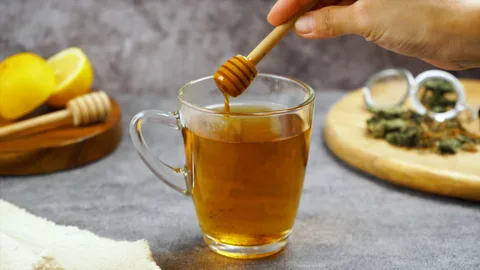
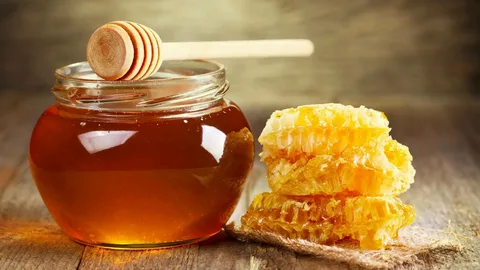
Raw honey is unpasteurised, unfiltered honey taken straight from the honeycomb. Use it stirred into warm drinks cooled below 40°C, drizzled over food, as a sugar substitute in baking at a ¾-to-1-cup ratio, applied as a face mask or spot treatment, or taken as a daily teaspoon for wellness. Never give raw honey to children under one year old.
What Are the Best Ways to Use Raw Honey in Food and Drinks?
Raw honey works as a natural sweetener in porridge, yoghurt, smoothies, warm lemon water, savoury toast, and salad dressings — each with a specific method and quantity set out below. It also contains propolis and bee pollen — compounds stripped out during the pasteurisation process that regular honey undergoes. Raw honey appears cloudy or opaque because it retains these extra elements, while pasteurised honey is clear and smooth.
One label note worth knowing: “organic honey” does not mean “raw honey.” Organic certification refers to how the bees are managed and what they forage on — not whether the honey has been pasteurised. Always check for the words “raw,” “unpasteurised,” or “unfiltered” on the jar.
Six practical uses:
- Porridge or overnight oats. Stir 1–2 teaspoons of raw honey into your bowl after the porridge has cooled to a comfortable eating temperature. Adding it to boiling porridge degrades its heat-sensitive enzymes.
- Yoghurt. Drizzle 1 teaspoon over plain yoghurt. Raw honey pairs well with tart, unsweetened varieties where it offsets acidity without masking flavour.
- Smoothies. Add 1 teaspoon after blending, not before, to avoid exposing the honey to any residual heat in the blender.
- Warm water with lemon. Stir 1 teaspoon into a mug of warm (not boiling) water with a squeeze of fresh lemon. Let the water cool until you can hold the mug comfortably before adding the honey.
- Toast with savoury toppings. Drizzle raw honey over avocado toast with a pinch of sea salt and crushed red pepper flakes. The combination of sweet, salt, and heat works as a simple, complete breakfast.
- Salad dressings. Mix 1 teaspoon of raw honey with 2 tablespoons of olive oil and 1 tablespoon of apple cider vinegar. Whisk until emulsified. This works as a base vinaigrette for leafy green, grain, or roasted vegetable salads.
Does Heat Destroy the Benefits of Raw Honey?
Yes — heating raw honey above 40°C (104°F) degrades the enzymes and beneficial compounds that make it different from regular honey.
The enzyme most affected is diastase. Diastase is one of the key markers used internationally to assess honey quality and freshness. Research published in the Diyala Agricultural Sciences Journal found that heating honey at 40°C showed no significant effect on either diastase enzyme activity or HMF (hydroxymethylfurfural) production — even after 95 hours.
Heating to 60°C, 80°C, and 100°C caused a steady rise in HMF and a measurable drop in diastase activity proportional to both temperature and time. HMF is a chemical compound that forms when sugars break down under heat and is used as a standard indicator of heat damage in honey. Diastase activity reaches zero at 100°C under both short and extended heating.
Commercial producers heat honey to between 63°C and 71°C to kill naturally occurring yeast cells that would otherwise cause fermentation. This process also removes pollen and deactivates enzymes.
The practical rule: Add raw honey to tea, coffee, or warm water only after the liquid has cooled to a drinkable temperature — at or below 40°C. A simple test from experience: if you can comfortably hold the cup in your hand without flinching, the drink is cool enough for raw honey.
Never microwave raw honey. Microwaving creates uneven, uncontrolled hot spots that destroy enzymes in parts of the honey while leaving other parts cool.
📋 Callout — The 40°C Rule: Add raw honey only to drinks that have cooled below 40°C (104°F). Above this temperature, diastase enzyme activity begins to degrade. Below it, beneficial compounds remain intact.
How Can You Use Raw Honey for Skincare?
Apply raw honey directly to clean skin as a face mask, spot treatment, exfoliating scrub, or calming mask. Each method requires 8–20 minutes of contact time. In cosmetic science, honey is classified as both a humectant and an emollient. It attracts moisture from the air and binds it to the skin surface, while also softening and soothing irritated tissue.
Method 1 — Simple face mask
- Wash your face with water and a gentle cleanser.
- Apply a thin layer of raw honey to clean, damp skin.
- Leave on for 15–20 minutes.
- Rinse with warm water and pat dry.
- Repeat 2–3 times per week.
Method 2 — Exfoliating oat scrub
- Mix 2 tablespoons of raw honey with 1 tablespoon of finely ground oats.
- Gently massage onto damp skin using small circular motions for 30–60 seconds.
- Leave on for 5 minutes.
- Rinse with warm water.
- Use once per week.
A practitioner tip: use finely ground oats, not whole rolled oats. Coarse oat pieces can create micro-tears in the skin, which defeats the purpose of gentle exfoliation.
Method 3 — Spot treatment for blemishes
- Dab a small amount of raw honey directly onto a clean blemish.
- Leave on for 15–20 minutes, or overnight with a small plaster over it.
- Rinse and repeat daily until the blemish improves.
Raw honey’s natural enzyme activity produces hydrogen peroxide, which acts as a mild antiseptic on the skin’s surface.
Method 4 — Honey and cinnamon mask
- Mix 3 parts raw honey with 1 part freshly ground cinnamon.
- Apply to skin, avoiding the eye area.
- Leave on for 8–10 minutes.
- Rinse thoroughly with warm water.
Do not use this mask if you are allergic to cinnamon.
Scar support: A thin layer of raw honey applied daily as a spot paste may support the skin’s natural healing process, which can help the appearance of minor acne scars over time.
Safety first — always patch test. Before applying raw honey to your face for the first time, dab a small amount on the inside of your wrist and wait 24 hours. Do not use raw honey on your skin if you have known allergies to pollen, celery, or bee venom.
Can You Use Raw Honey as a Sugar Substitute in Baking?
Yes — raw honey can replace sugar in most baking recipes, but four adjustments are required because honey is sweeter than sugar, contains more liquid, browns faster, and is naturally acidic.
The conversion rules:
- Reduce the amount. Use ¾ cup of raw honey for every 1 cup of sugar.
- Reduce other liquids. Decrease the other liquids in your recipe by ¼ cup for each cup of honey used. Honey contains approximately 17–20% water by weight, so it adds moisture that granulated sugar does not.
- Lower the oven temperature. Reduce your oven temperature by 25°F (approximately 15°C) to prevent over-browning, as honey’s fructose content causes faster caramelisation.
- Add a pinch of bicarbonate of soda. Add ¼ teaspoon of baking soda for every 1 cup of honey used. Honey is naturally acidic, and the soda helps balance that acidity and allows baked goods to rise properly.
Raw honey works best in moist, forgiving bakes — flapjacks, granola, energy balls, banana bread, and muffins. Recipes that rely on sugar for structural crispness, such as meringues or shortbread, are not good candidates.
One important note: baking raw honey above 40°C does destroy its heat-sensitive enzymes. The honey still functions as a natural sweetener with a richer flavour than refined sugar, but the enzymatic benefits are lost during baking. For enzyme preservation, use raw honey in no-bake recipes such as energy balls or overnight oats.
How Do You Use Raw Honey for Sore Throats and Coughs?
Raw honey soothes a sore throat by coating the mucous membranes with a thick, protective layer that reduces irritation and inflammation.
Four methods, ordered from quickest to most involved:
- Straight spoonful. Take 1 teaspoon of raw honey and let it dissolve slowly in your mouth. Allow it to coat the back of your throat for maximum soothing effect before swallowing.
- Warm honey-lemon water. Boil a mug of water, then let it cool until the mug is comfortable to hold (below 40°C). Stir in 1 teaspoon of raw honey and squeeze in half a lemon.
- Honey-ginger drink. Add 2–3 thin slices of fresh ginger root to a mug of just-boiled water. Steep for 5 minutes. Remove the ginger, let the water cool to drinking temperature, then stir in 1 teaspoon of raw honey.
- Before bed for sleep support. Take 1 teaspoon of raw honey in caffeine-free herbal tea or warm water 30 minutes before bed. Raw honey’s natural sugars trigger a modest insulin response that helps tryptophan cross the blood-brain barrier, where it converts to serotonin and then to melatonin — the hormone that regulates the sleep-wake cycle.
Important: Never give honey — raw or pasteurised — to a child under one year old. Honey can contain Clostridium botulinum spores that cause infant botulism, a rare but serious condition. A baby’s immature digestive system cannot stop the spores from growing and producing harmful toxins.
How Do You Fix Crystallised Raw Honey?
Place the sealed jar in warm water below 40°C for 15–20 minutes to return crystallised raw honey to a liquid state. Crystallisation is not spoilage — it is a normal physical process with no expiration. The glucose in raw honey naturally separates from the water content over time, forming solid crystals, and the honey remains perfectly safe to eat.
Raw honey crystallises faster than processed honey because it retains its natural pollen grains, which act as nucleation points for glucose crystals. Heavily processed honey is heated and ultra-filtered to prevent this — removing the pollen and enzymes that make raw honey valuable.
To return crystallised raw honey to a liquid state:
- Check that the jar lid is tightly sealed.
- Fill a bowl with warm water. The water should be below 40°C — test with your wrist; it should feel comfortably warm, never hot.
- Place the sealed jar in the warm water. Let it sit for 15–20 minutes.
- Gently stir or swirl the honey. If crystals remain, replace the cooled water with fresh warm water and repeat.
- Once the honey is liquid again, remove the jar and store it at room temperature, away from direct sunlight.
From experience: patience matters here. If the honey is still crystallised after the first soak, simply replace the water and wait again. Rushing the process with hotter water defeats the purpose — you are trying to preserve the very enzymes that heat destroys.
Never microwave raw honey to de-crystallise it. Microwaving creates uncontrolled hot spots that destroy enzymes and beneficial compounds in localised areas of the jar while leaving other parts cold.
📋 Callout — De-Crystallisation Rule: Always use water below 40°C. Replace the water rather than raising the temperature. Microwaving is not a safe alternative.
How Much Raw Honey Should You Take Per Day?
One to two teaspoons (7–14g) of raw honey per day is a reasonable daily amount for most adults.
Raw honey is still a sugar. Honey contains approximately 82g of sugar per 100g, primarily fructose (38–40%) and glucose (31–35%).The NHS recommends adults consume no more than 30g of free sugars per day and explicitly classifies honey as a free sugar.
One teaspoon of honey weighs approximately 7g and contains roughly 6g of sugar. Two teaspoons per day therefore use up approximately 12g of your 30g daily free sugar allowance — about one-third.
📋 Callout — UK Daily Limit: The NHS sets a maximum of 30g of free sugars per day for adults. Two teaspoons of raw honey (≈12g sugar) account for roughly one-third of that daily allowance. Honey is a free sugar, not an exception to the limit.
A simple daily routine:
- Morning: 1 teaspoon stirred into warm lemon water or drizzled over porridge.
- Evening: 1 teaspoon in caffeine-free herbal tea before bed.
If you have diabetes, are managing your weight, or have been advised by a GP to limit your sugar intake, consult your doctor before making raw honey a daily habit. Excessive fructose consumption over time can contribute to fatty liver disease — a risk that applies to all concentrated sugar sources, including honey.
The Mayo Clinic notes a specific drug interaction: taking honey alongside Phenytoin (Dilantin) may raise the risk of side effects from the medication. If you take Phenytoin, speak with your GP before adding raw honey to your daily routine.
What Are Some Unexpected Ways to Use Raw Honey?
Raw honey can preserve fresh herbs, treat minor wounds, condition hair, and soothe the throat — four uses that go well beyond sweetening food.
- Preserve fresh herbs and edible flowers. Submerge sprigs of rosemary, thyme, or mint — or edible flowers such as lavender — in a jar of raw honey. The honey creates a low-moisture, anaerobic environment that prevents microbial growth. After 2–4 weeks, the honey absorbs the herb’s flavour. Use the infused honey in salad dressings, marinades, or drizzled over soft cheese.
- Treat minor cuts, scrapes, and small burns. Apply a thin layer of raw honey to a clean, minor wound and cover with a sterile dressing. Raw honey’s glucose oxidase enzyme naturally produces hydrogen peroxide, providing a mild antiseptic effect at the surface. Change the dressing and reapply daily. For anything beyond a minor surface wound, seek medical attention.
- Use as a hair and scalp mask. In cosmetic formulations, honey exerts emollient, humectant, and hair conditioning effects. Mix 2 tablespoons of raw honey with 1 tablespoon of coconut or olive oil. Apply to damp hair from roots to ends. Leave for 20 minutes. Rinse thoroughly with warm water, then shampoo as normal. Use once per week.
- Gargle for throat and mouth comfort. Dissolve 1 teaspoon of raw honey in half a cup of warm water (below 40°C). Gargle for 20–30 seconds and spit out.
Frequently Asked Questions
Does raw honey expire?
No. Raw honey has no expiration date. It may crystallise and become solid or grainy — a normal physical process, not spoilage. To return it to liquid, place the sealed jar in warm water below 40°C for 15–20 minutes. Never microwave it, as uncontrolled heat destroys the enzymes that make raw honey valuable.
Is organic honey the same as raw honey?
No. "Organic" refers to how the bees are managed and what they forage on — not whether the honey is pasteurised. Organic honey can still be filtered and heated. To buy raw honey, look specifically for "raw," "unpasteurised," or "unfiltered" on the label. Raw honey is typically cloudier than regular honey.
Can I give raw honey to my child?
Never give honey — raw or pasteurised — to a child under one year old. Honey may contain Clostridium botulinum spores that cause infant botulism. A baby's immature digestive system cannot prevent the spores from producing harmful toxins. Children over one year old can safely consume honey in normal food amounts.
Can I use raw honey if I am allergic to pollen?
Use extreme caution. Raw honey contains bee pollen, which can trigger allergic reactions in people with pollen, celery, or bee-venom allergies. Symptoms may include wheezing, dizziness, swelling, or difficulty breathing. Perform a patch test before any skin application and consult your GP before consuming raw honey if you have known allergies.
Does raw honey help you sleep?
Raw honey may support better sleep. Its natural sugars trigger a modest insulin response that helps tryptophan cross the blood-brain barrier, where it converts to serotonin and then to melatonin — the hormone that governs sleep-wake cycles. It is not a medical treatment for insomnia.