- No Products In The Cart
- start shopping
Best Honey to Buy in the UK: 15 Brands Checked & Rated (2026)
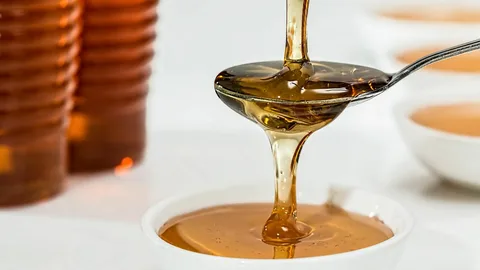
Honey is best bought as raw, unpasteurised, single-source honey with clear origin and price. In the UK, Black Bee Raw British Runny Summer, Gwenyn Gruffydd Welsh Wildflower and Northumberland raw honey are strong everyday buys. Choose certified Manuka only when you need a verified MGO/UMF rating.
What Makes Honey the Best to Buy? Quality Markers That Matter
The best honey to buy is raw, unpasteurised, single-source honey with verified origin, clear labelling and a fair price. The strongest buying signals are low-heat processing, traceability, independent awards, clear country of origin and no vague blend wording.
Core Quality Markers for UK Honey Buyers
| Quality marker | What it means | Why it matters | |
| Raw/unpasteurised | Commonly used for honey not heated above hive temperature | It signals lower processing, but “raw honey” has no official UK classification | |
| Single-source | Honey from one named producer or region | It gives stronger provenance than a multi-country blend | |
| Hive-to-jar traceability | Producer can trace the jar back to hives or location | It reduces uncertainty about origin | |
| Great Taste Awards | Independent food-award star ratings | It gives a dated third-party quality signal | |
| B Corp certification | Third-party sustainability certification | It supports buying decisions based on environmental standards | |
| Kosher certification | Dietary certification shown on some supermarket honeys | It matters for buyers with kosher requirements |
The Food Standards Agency states that honey must not contain additions. It also states that honey must not be heated so much that its natural enzymes are destroyed or significantly inactivated.
Northumberland Honey Co states that it numbers jars so each jar can be traced back to the beehives and location that produced it.
Processing Methods Compared
| Method | What to look for | Buying meaning | |
| Raw/unpasteurised | “Not pasteurised”, “not heated above hive temperature” | Strong choice for flavour and low processing | |
| Cold-extracted | Extracted without added heat | Strong choice for buyers prioritising minimal processing | |
| Filtered honey | A filtering process that may remove pollen | Check this if you want less-processed honey | |
| Comb honey | Honey sold inside the honeycomb | Premium format for eating, not the cheapest option | |
| Heat-treated honey | Heat used to manage texture and appearance | Lower priority if you want enzyme retention |
Northumberland Honey Co states that it belongs to the Bee Farmers Association, works to SALSA standards and belongs to the DASH scheme. DASH stands for Disease Accreditation Scheme in Honey bees.
Northumberland Honey Co reports that its bee-breeding work and organic methods have significantly reduced overwintering losses and improved honey-bee survival.
Price-Per-100g: The Real Comparison Tool
| Product | Size | Lowest stated price | Price per 100g | |
| Hilltop Squeezy Blossom Honey Everyday | 720g | £3.18 | £0.44 | |
| Rowse Pure & Natural Squeezy Honey | 250g | £1.70 | £0.68 | |
| Littleover Clear Wildflower Honey | 340g | £3.60 | £1.06 | |
| Gwenyn Gruffydd Welsh Wildflower Honey | 340g | £7.99 | £2.35 | |
| Black Bee Pure British Summer Honey | 227g | £6.95 | £3.06 | |
| Rowse Squeezy Manuka Honey 100+ MGO | 240g | £8.60 | £3.58 |
Price per 100g exposes the real value gap. Hilltop costs £3.18 for 720g, while Black Bee costs £6.95 for 227g.
Should You Buy Manuka Honey or Regular Honey — and What Do MGO Ratings Mean?
Buy regular British honey for everyday use and Manuka only when you need a certified strength rating; MGO states methylglyoxal in mg/kg. UMF combines several quality markers for certified New Zealand Manuka.
MGO Rating System Explained
| MGO/UMF level | What the label means | Best buying use | |
| UMF 5+ to 10+/MGO 83–263+ | Lower certified Manuka range | Everyday wellness, tea and daily use | |
| UMF 15+/MGO 514+ | Higher strength range | Immune-support and sore-throat positioning | |
| UMF 20+/MGO 829+ | Stronger certified range | Targeted wellness applications | |
| UMF 25+/MGO 1200+ | Highest listed UMF range | High-potency positioning |
UMF states that certified Manuka honey is independently tested and traceable through licensed producers. Anything below MGO 83 is not considered active Manuka.
Manuka vs Regular Honey: When Each Makes Sense
| Factor | Manuka honey | Regular British honey |
| Main buying reason | Verified strength rating | Flavour, origin and everyday use |
| Key label signal | MGO or UMF number | Raw, single-source, named region |
| Typical origin | New Zealand | UK |
| Best everyday choice | UMF 5+ to 10+/MGO 83–263+ | Raw British wildflower or heather |
| Best premium choice | UMF 15+ and above | Awarded single-source British honey |
Is British Honey Better Than Imported Honey?
British honey is better for traceability, freshness and support for UK beekeepers. Imported honey is better only when it offers a unique type, such as certified Manuka.
British vs Imported Honey Comparison
| Factor | British honey | Imported honey | |
| Origin clarity | Often states a UK region or producer | May be sold as a multi-country blend | |
| Traceability | Strongest when bought direct from a beekeeper | Strongest when certification gives batch testing | |
| Sustainability signal | May support UK meadow or pollinator schemes | Depends on producer and transport route | |
| Potency rating | Usually no MGO/UMF rating | Manuka can carry MGO/UMF grades | |
| Budget value | Supermarket British-style blends can be cheap | Imported blends can also be cheap |
Black Bee Honey states that it uses 2% of turnover to create wildflower meadows and has created over 40 acres of meadow.
Black Bee’s founders report that their first harvest revealed a clear taste difference between their honey and cheap supermarket varieties. They say they minimise processing to preserve the seasonal characteristics of each apiary.
What “Product of EU and Non-EU Countries” Means on Labels
“Product of EU and Non-EU countries” means the honey is a blend from more than one origin group. UK guidance has allowed wording such as “blend of EU and non-EU honeys” where accurate. From 1 January 2024, England and Wales require “blend of honeys from more than one country” if each country is not listed.
Aldi Honey Quality Assessment
Use Aldi honey for low-cost sweetening if the label shows a blend. Choose a named British producer for raw status, hive-to-jar provenance or single-source origin.
Check Aldi’s current jar label before buying. If the label uses blend wording, it does not give the same origin clarity as Black Bee, Northumberland Honey Co or Gwenyn Gruffydd.
Which Specific Honey Brands and Products Should You Buy in the UK in 2026?
Buy Black Bee, Gwenyn Gruffydd or Northumberland for raw British honey. Choose Rowse or Hilltop for budget honey, and certified Manuka for a strength rating.
These 15 options cover everyday, premium, budget and Manuka buying needs.
Top 15 UK Honey Brands Rated
| Rank | Brand/product | Best for | Key value | |
| 1 | Black Bee Raw British Runny Summer Honey | Best raw British everyday jar | £6.95 direct; raw, British and runny | |
| 2 | Gwenyn Gruffydd Welsh Wildflower Honey 340g | Best Welsh wildflower honey | £7.99; Welsh origin range includes 13 Welsh products | |
| 3 | Northumberland Runny Summer Wildflower Honey | Best direct-from-beekeeper raw honey | £9.00; producer states hive-to-jar traceability | |
| 4 | Hilltop Squeezy Blossom Honey Everyday 720g | Best low-cost supermarket honey | £3.18; 720g; kosher shown by Trolley | |
| 5 | Rowse Pure & Natural Squeezy Honey 250g | Best cheap small bottle | £1.70–£1.75 across Morrisons, Amazon and Tesco | |
| 6 | Rowse Organic Squeezable Honey 340g | Best supermarket organic-labelled option | £3.35–£3.85 across Tesco, Asda and Sainsbury’s | |
| 7 | Littleover Clear Wildflower Honey 340g | Best clear wildflower supermarket option | £3.60 at Waitrose on Trolley’s listing | |
| 8 | Manuka Health MGO 250+ Manuka Honey 250g | Best mid-strength Manuka listing | £31.99 on Trolley’s listing | |
| 9 | Steens Manuka Honey MGO 85+ 340g | Best lower-strength raw Manuka format | £13.00 on Trolley’s listing | |
| 10 | Rowse Squeezy Manuka Honey 100+ MGO 240g | Best supermarket Manuka entry point | £8.60–£9.50 across Tesco, Morrisons and Waitrose | |
| 11 | Comvita MGO 83+ Manuka Honey 5+ 250g | Best UMF-style entry Manuka brand | £14.99–£20.00 across Amazon, eBay and Boots | |
| 12 | Black Bee Raw British Autumn Heather Honey | Best British heather option | £8.50 direct; 216 reviews shown on Black Bee | |
| 13 | Gwenyn Gruffydd Welsh Heather Honey 227g | Best Welsh heather jar | £8.00; Welsh origin range | |
| 14 | Northumberland Soft Set Wildflower Honey | Best direct soft-set choice | £9.00 on Northumberland’s raw honey page | |
| 15 | QHoney | Best award-recognised imported option | QHoney reports a Gold Medal at the London Honey Awards 2025 |
Budget Tiers: Best Honey Under £5, £5–15, £15+
| Budget tier | Best fits | Why |
| Under £5 | Rowse Pure & Natural Squeezy; Hilltop Squeezy Blossom | Cheapest supermarket choices with strong availability |
| £5–15 | Black Bee, Gwenyn Gruffydd, Northumberland | Better origin clarity and more raw British options |
| £15+ | Manuka Health, Comvita, higher UMF/MGO Manuka | Better fit when you want a measurable strength rating |
Hilltop’s 720g bottle gives the lowest unit cost among the listed examples. Black Bee and Gwenyn Gruffydd cost more because they offer clearer British origin signals.
Where to Buy Each Brand
| Brand | Where to buy | |
| Rowse | Major supermarkets listed on Trolley | |
| Hilltop | Major supermarkets listed on Trolley | |
| Black Bee | Direct website and Trolley-listed retailers | |
| Northumberland Honey Co | Direct website | |
| Gwenyn Gruffydd | Direct website | |
| Manuka Health | Trolley-listed retailer | |
| Comvita | Amazon, eBay and Boots on Trolley’s listing |
What Do Honey Labels Like “Raw”, “Organic”, “Set” and “Runny” Actually Mean?
“Raw” means low-heat, unpasteurised honey; “organic” requires certification; “set” means crystallised; “runny” means liquid. “Comb honey”, “filtered honey” and origin wording have regulatory meaning, while buyers must verify raw processing claims.
Label Term Definitions
| Label term | What it means for buying | |
| Raw | Common term for honey not heated above hive temperature and not pasteurised | |
| Organic | Must meet organic labelling rules and show a control body code | |
| Set/soft set | Spreadable texture caused by crystallisation or controlled creaming | |
| Runny | Liquid texture for pouring and drizzling | |
| Comb honey | Honey presented in the comb | |
| Filtered honey | Honey filtered in a way that may remove pollen |
Northumberland Honey Co states that there is no official classification of raw honey and that honey cannot legally be labelled as raw on its labels.
Texture Types and Best Uses
| Texture | What it feels like | Best buying use |
| Runny | Liquid and pourable | Tea, yoghurt, porridge and drizzling |
| Set | Firm and spreadable | Toast and bread |
| Soft set | Smooth and spoonable | Everyday spreading |
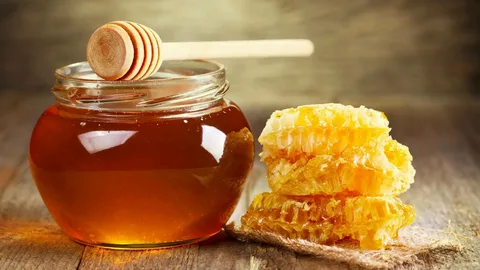
| Comb | Wax comb with honey inside | Cheese boards and premium serving |
| Creamed | Fine, smooth set texture | Buyers who dislike coarse crystals |
Black Bee’s seasonal range shows a practical texture split. It lists Raw British Set Spring Honey at £6.95, Raw British Runny Summer Honey at £6.95, Autumn Heather at £8.50 and Winter Ivy at £8.00.
Why UK Honey Cannot Be Certified Organic
UK organic honey is difficult because bees do not stay inside a producer’s chosen field boundary. Northumberland Honey Co states that bees can fly up to 5 miles from the hive.
The same page states that UK producers cannot label honey as organic where there is no solely organic area within 5 miles.
Crystallisation: Quality Signal, Not Spoilage
Crystallisation means honey has formed natural sugar crystals. It is not an automatic defect.
Northumberland Honey Co links heat treatment and pasteurisation with preventing granulation. It also states that pasteurisation destroys many beneficial properties of honey.
How Does Honey Type Affect Its Health Benefits as a Buying Factor?
Manuka honey gives a graded potency claim, raw British honey gives a low-processing claim, and supermarket blends mainly give low-cost sweetness.
Health Properties by Honey Type
| Honey type | Buying signal | What to check |
| Raw British honey | Low processing and stronger origin clarity | Producer, region, raw/unpasteurised wording |
| Manuka honey | Measurable MGO/UMF strength | Certified grade and batch traceability |
| Comb honey | Least-altered presentation style | Freshness, origin and price |
| Supermarket blend | Low price and availability | Country-origin wording and blend statement |
| Organic-labelled honey | Organic certification claim | Control body code and origin statement |
The FSA states that honey must not be heated in a way that destroys or significantly inactivates natural enzymes.
Pollen Content as a Raw Honey Signal
Pollen content matters as a label and processing signal. The FSA states that no pollen or constituent particular to honey may be removed unless unavoidable when removing foreign matter.
If a jar says “filtered”, treat it as a different buying choice from unfiltered raw honey. This matters most when you are comparing artisan honey against supermarket honey.
Lower-GI Claims as Buying Claims
Lower-GI claims should not drive the whole purchase decision. If a brand makes a glycaemic claim, check that it names the honey type and gives a real source.
Where Should You Buy Honey in the UK — Supermarket, Specialist or Direct from Beekeeper?
You should buy honey from a supermarket for price, from a specialist shop for choice, and direct from a beekeeper for traceability. The best buying channel depends on whether your priority is budget, variety or provenance.
Channel Comparison Matrix
| Channel | Strength | Weakness | Best fit | |
| Supermarket | Lowest prices and wide stock | Weaker origin detail on blends | Everyday sweetening | |
| Direct from beekeeper | Strongest provenance | Higher price and fewer products | Raw British honey | |
| Specialist online | More varieties | Quality varies by seller | Polish, raw or flavoured honey | |
| Brand website | Clearer product story | Only one producer’s range | Single-brand loyalty | |
| Price-comparison site | Fast price checks | It does not explain quality fully | Finding the cheapest current listing |
Trolley states that it shows where shoppers can buy honey across 15 supermarkets.
Northumberland Honey Co states that orders over £60 qualify for fast free shipping on mainland UK.
Supermarket vs Artisan vs Direct: Honest Trade-Offs
Supermarket honey wins on price. Hilltop Squeezy Blossom Honey costs £3.18 for 720g on Trolley’s listing.
Direct honey wins on provenance. Northumberland Honey Co states that it numbers jars so they trace back to the hives and location.
Artisan honey wins when you want flavour, origin and producer identity. Black Bee and Gwenyn Gruffydd provide clearer product names than broad supermarket blend labels.
How Can You Spot Fake or Adulterated Honey?
You spot risky honey by checking the label for origin, producer identity, processing claims and blend wording. Avoid jars with vague origin claims when you want pure, traceable honey.
Red Flags on Honey Labels
| Red flag | What it means | Better choice | Source URL |
| Vague multi-country blend wording | Origin is broader than one producer or region | Named country, region or beekeeper | https://www.gov.uk/guidance/food-standards-labelling-durability-and-composition |
| No producer address | Weak traceability | Producer name and contact details | |
| “Pure” without origin detail | Marketing term alone is weak | Single-source or region-specific wording | |
| Very low price for “raw” honey | Check whether the claim is supported | Compare size, origin and processing | — |
| Manuka without UMF/MGO | Weak potency evidence | UMF or MGO grade plus traceability |
The FSA states that no additions are permitted in honey. It also says non-permitted additions such as added sugars are implicit in rules that protect honey’s composition.
Verification Checklist for Authentic Honey
- Check for a named country, region or producer.
- Check whether the jar says raw, unpasteurised or cold-extracted.
- Check for a batch number or traceability statement.
- Check awards only when the year is shown.
- Check Manuka grades against UMF or MGO numbers.
- Check the unit cost before comparing jars.
Sweet Honey Co states that its products undergo certified laboratory tests for raw status and freedom from pesticides and antibiotics. Source Domain: sweethoneyco.co.uk
Crystallisation Test for Raw Status
Crystallisation can support a raw-honey buying decision, but it does not prove purity by itself. Use it alongside the label, origin statement and producer details.
Northumberland Honey Co links pasteurisation with preventing granulation.
Frequently Asked Questions:
Is crystallised honey bad for you?
Crystallised honey is not automatically bad. It means natural sugar crystals have formed. Use crystallisation as one clue, not a purity test. A stronger buying check is the label’s origin, processing wording and producer details.
Why can’t UK honey be labelled organic?
UK honey is hard to label organic because bees forage far from the hive. Northumberland Honey Co states that bees can fly up to 5 miles and that no UK area is solely organic within that distance.
Is Aldi honey good quality compared with artisan brands?
Aldi honey can be acceptable for budget sweetening. Artisan honey is stronger for traceability because it usually gives a named producer, raw processing claim or region. Check Aldi’s current jar label before comparing it with Black Bee or Northumberland.
What is the cheapest raw British honey that is still high quality?
The cheapest confirmed raw British option in this article is Black Bee Raw British Runny Summer Honey at £6.95. Northumberland Runny Summer Wildflower Honey costs £9.00. Hilltop is cheaper, but this article does not classify it as raw British honey.
How do I read a honey label for purity and origin?
Check the producer name, address, country or region, processing wording and blend statement. “Raw”, “unpasteurised” and “single-source” are stronger buying signals than “pure” alone. For Manuka, check the UMF or MGO number