- No Products In The Cart
- start shopping
Is Raw Honey Good For You? What the Evidence Actually Shows (UK Guide)
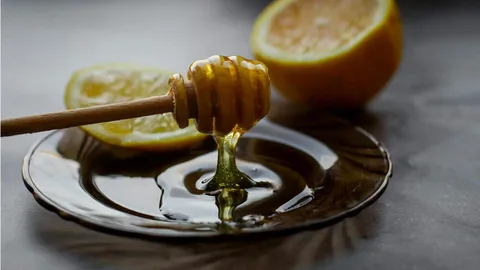
Raw honey delivers measurable health benefits that regular processed honey does not — retaining antioxidants, enzymes, bee pollen, and propolis destroyed by pasteurisation. It supports cough relief, antibacterial wound care, and cardiovascular health when eaten in moderation. For most healthy UK adults, 1 tablespoon per day is both beneficial and within NHS free sugar guidelines.
What Is Raw Honey?
Raw honey is honey in the state it exists inside the beehive — extracted from the honeycomb, passed through a mesh or cloth to remove debris such as beeswax and dead bees, then bottled without any heating, pasteurisation, or ultrafiltration. Nothing is added. Nothing beneficial is removed.
Regular honey goes through several additional steps before it reaches the supermarket shelf. Manufacturers apply high heat through pasteurisation to kill yeast, extend shelf life, and create a clear, uniform appearance. Many commercial products then undergo ultrafiltration — a pressure process that produces a smoother, more transparent liquid by stripping out pollen, enzymes, and other naturally occurring compounds. Some manufacturers also add sugar or sweeteners such as high fructose corn syrup to reduce production costs, as noted by Healthline.
Raw honey retains three groups of compounds that processing removes or reduces: enzymes (including glucose oxidase, invertase, and diastase), bee pollen containing over 250 nutrients, and propolis. Propolis is the sticky resinous substance bees use to seal the hive, and it carries documented antibacterial properties. The German Federal Ministry of Health recognises bee pollen as a medicine, a designation cited by Healthline.
Peer-reviewed research confirms that honey enzymes are heat-sensitive and that “heating honey above 40°C significantly reduces enzyme activity,” with diastase used globally as the standard quality marker for honey because low readings indicate overheating or heavy processing. A study published in the Journal of Chemistry found that the optimal conditions for preserving invertase and glucose oxidase activity in raw honey were at 24°C, with measurable losses beginning at 45°C and significant destruction at 65°C. Commercial honey pasteurisation typically operates at 60–80°C — well above the enzyme damage threshold, as confirmed by patent literature describing standard honey pasteurisation processes.
The overall composition of raw honey is approximately 80–85% sugars, 15–17% water, and 0.1–0.4% proteins, with the remainder consisting of enzymes, organic acids, vitamins, minerals, and phenolic compounds — figures confirmed by a comprehensive review of 48 clinical trials published in the journal Nutrients.
Raw honey also varies by flower source. Monofloral honey — produced when bees forage predominantly on one plant species, such as Scottish heather or borage — has a distinct antioxidant profile compared to multifloral (wildflower) honey. Research reviewed in the Nutrients journal found that total phenolic content across different honey varieties ranges from 0.65 to 84.17 mg per 100g, depending on botanical origin. A 2025 peer-reviewed study found that heather honey exhibited the highest total phenolic content of the honey varieties tested, and that its dark colour is consistent with a higher concentration of phenolic compounds.
Is “Pure Honey” the Same as Raw Honey?
No — “pure honey” is a marketing term, not a processing standard, and it does not guarantee the honey is raw or unpasteurised.
UK honey labelling is governed by the Honey (England) Regulations 2015 and equivalent legislation in Scotland and Wales. The Business Companion guide to UK honey labelling — published by Trading Standards and the authoritative reference for UK food law compliance — confirms that reserved descriptions under these Regulations include “honey,” “comb honey,” and “blossom honey,” but “raw” is not among them. A producer can label a product “raw honey” without meeting a specified processing standard. Medical News Today explicitly warns that “many types of pasteurised honey have labels that say ‘pure honey'”.
Use this guide when reading a UK honey label:
Signals the honey is likely raw:
- “Unpasteurised” — the most legally meaningful term available
- “Cold-extracted” or “cold-pressed” — indicates no heat was applied during extraction
- “Unfiltered” — retains pollen and propolis
Signals that do NOT guarantee raw processing:
- “Pure honey” — commercial marketing term only
- “Natural honey” — no processing standard attached
- “Local honey” — describes origin, not processing method
- “Organic honey” — certifies pesticide-free farming; the honey can still be pasteurised
What Is “Rough Honey” — Is It the Same as Raw Honey?
“Rough honey” is a colloquial UK term for raw or naturally crystallised honey that has not been heated to produce a smooth, uniform texture. Crystallised honey is completely safe to eat. The grainy or solid texture is a natural result of glucose molecules forming crystals over time — and it is one of the most reliable signs that the honey has not been heat-treated.
What Are the Health Benefits of Raw Honey?
Raw honey is good for you — with one important caveat: the evidence is strongest when it replaces other sweeteners in the diet rather than being added on top of them. A comprehensive review of 48 clinical trials involving 3,655 participants, published in the peer-reviewed journal Nutrients in 2023, found more beneficial effects from honey intake than negative ones across cardiovascular health, wound healing, cough relief, and digestive outcomes.
1. Antioxidant Protection
Raw honey contains nearly 30 types of bioactive plant compounds called polyphenols, including flavonoids, phytochemicals, and ascorbic acid, all of which act as antioxidants. Antioxidants neutralise free radicals — unstable molecules that contribute to oxidative stress, which scientists link to chronic conditions including cardiovascular disease and certain cancers.
One comparative study found that raw honey contained up to 4.3 times more antioxidants than processed honey from the same market, as cited by Healthline. Processing, particularly ultrafiltration and high-heat pasteurisation, is the primary reason commercial honey loses this antioxidant advantage.
2. Antibacterial and Wound-Healing Properties
Raw honey acts as a natural antibacterial and antimicrobial agent through three mechanisms working together: the enzyme glucose oxidase produces hydrogen peroxide when honey is diluted; the naturally low pH of honey inhibits bacterial growth; and its unique chemical composition does not support yeast or bacterial multiplication.
Laboratory and clinical research shows raw honey can kill common pathogens including Escherichia coli — which causes food poisoning and wound infections — Staphylococcus aureus, which causes skin infections, and Helicobacter pylori, which causes stomach ulcers and chronic gastritis. Multiple clinical trials reviewed in the Nutrients journal confirm honey’s effectiveness as a wound-healing dressing when applied topically in medical settings.
3. Does Raw Honey Help With Coughs and Sore Throats?
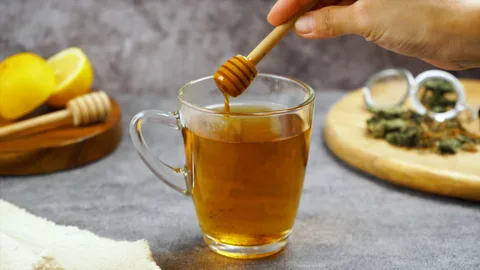
Raw honey helps with coughs, and the NHS recommends it as a self-care remedy. The NHS cough guidance states that hot lemon and honey “can have a similar effect to cough medicines” and gives the preparation: squeeze half a lemon into a mug of boiled water, add 1 to 2 teaspoons of honey, and drink while still warm. The same guidance for children appears on the NHS page for colds, coughs, and ear infections: “If your child is over the age of 1, they can try drinking a warm drink of lemon and honey”.
The BHF takes a more cautious position, noting “little evidence that it treats the symptoms” and attributing some benefit to the warmth of the drink. Both positions can coexist: the warmth and hydration contribute to relief, and honey’s thick texture coats the throat alongside those effects. The NHS guidance represents the current UK clinical consensus for self-care.
Practical protocol:
- Add 1 to 2 teaspoons of raw honey to a mug of warm (not boiling) water
- Add the juice of half a lemon if desired
- Drink slowly and avoid eating or drinking anything else immediately afterwards, to allow the honey to coat the throat
Do not give honey to children under 1 year old.
4. Cardiovascular Health — Cholesterol, Blood Pressure, and Triglycerides
Multiple clinical trials reviewed in Nutrients found that consuming natural, unprocessed honey in place of sucrose improved lipid profiles in healthy adults. One study gave 70g per day of natural honey to young men for 6 weeks and recorded significant reductions in total cholesterol, LDL (low-density lipoprotein), and triglycerides, alongside a significant increase in HDL (high-density lipoprotein). A separate study on overweight and obese subjects found significant reductions in BMI, fasting blood glucose, and C-reactive protein with honey versus sucrose over one month.
The Nutrients review concludes that the most consistent benefits appear “especially when its intake replaces the intake of other sweeteners” — meaning the cardiovascular advantage is comparative, not absolute.
5. Digestive Health
Raw honey contains diastase (also called amylase), an enzyme that helps break down starches, and invertase, which converts complex sugars into simpler forms. Both are present in honey as a result of the enzymes bees add during the honey-making process, and both decline when honey is heated above 40°C. Their presence in raw honey may contribute to the digestive-support properties attributed to honey in traditional use.
A 2022 clinical study found that honey combined with zinc gluconate may reduce the duration of diarrhoea in children and accelerate recovery time.
6. Brain Health and Memory
Early research suggests raw honey’s antioxidant and anti-inflammatory properties may benefit brain function. A 2022 review found that honey may boost memory capacity, help prevent neuron damage, and have anti-stress benefits. A 2017 review cited by Medical News Today suggested raw honey may contain compounds that fight inflammation in the hippocampus — the part of the brain involved in memory formation.
This is a promising area of research, but the evidence is early-stage. Treat this benefit as plausible rather than established.
Does Raw Honeycomb Have Additional Benefits?
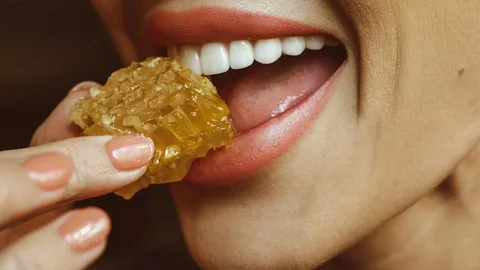
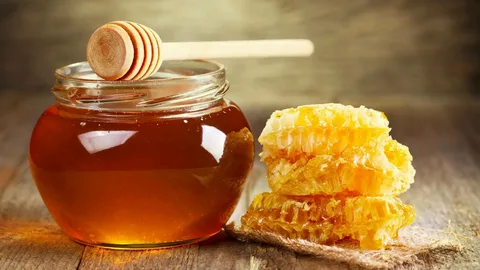
Yes — raw honeycomb delivers all the same antioxidants, enzymes, and bee pollen as liquid raw honey, with the addition of beeswax and propolis in their most intact form. Propolis has documented antibacterial and antifungal properties, and some people find chewing honeycomb a satisfying way to consume raw honey slowly.
Raw Honey and Lemon — Does the Combination Work?
Raw honey and lemon work well together for throat and immune support. Lemon provides vitamin C, which complements the ascorbic acid already present in raw honey. Together they create an antimicrobial, throat-coating drink that is both hydrating and soothing — the basis of the NHS-recommended cough remedy.
Add the lemon juice after squeezing it directly into the warm honey water. Do not boil the lemon, as high heat reduces its vitamin C content.
Raw Honey Nutrition: What Does One Tablespoon Actually Contain?
One tablespoon (21g) of raw honey contains approximately 64 calories and 17g of sugar, according to Medical News Today. On a per-teaspoon basis (7g), that is around 21 calories and 6g of sugar — the figures used by the British Heart Foundation’s comparison table.
More than half the sugar in raw honey is fructose, which is absorbed more slowly than glucose, and this ratio is what gives honey a lower glycaemic index than refined sugar.
| Nutrient | Raw Honey (21g / 1 tbsp) | Refined Sugar (4g / 1 tsp) |
| Calories | 64 kcal | 16 kcal |
| Total sugar | 17g | 4g |
| Fat | 0g | 0g |
| Protein | 0g | 0g |
| Antioxidants | Present (polyphenols, flavonoids) | None |
| Active enzymes | Present (glucose oxidase, diastase, invertase) | None |
| Bee pollen | Present (if unfiltered) | None |
| Vitamins | Trace: niacin, riboflavin, pantothenic acid | None |
| Minerals | Trace: calcium, magnesium, manganese, potassium, phosphorus, zinc | None |
Raw honey contains approximately 22 amino acids and 31 different minerals, though as Healthline notes, these are present in trace amounts only. BHF senior dietitian Tracy Parker, who has over 20 years of experience including NHS-based cardiac nutrition work, states directly that to obtain meaningful vitamin or mineral intake from honey, a person “would need to have around 80g per day, which would also mean consuming a lot of free sugars” — an amount that cancels out any potential benefit. The nutritional value of raw honey lies primarily in its bioactive compounds — antioxidants, enzymes, and pollen — rather than its vitamin and mineral content.
Is Raw Honey Better Than Regular Honey?
Raw honey is the more nutritious choice when the goal is to access honey’s specific health benefits — because those benefits depend on compounds that regular processing removes.
The table below summarises the measurable differences:
| Attribute | Raw Honey | Regular / Processed Honey |
| Pasteurised | No | Yes |
| Filtered | Minimal straining only | Yes — often ultrafiltered |
| Bee pollen present | Yes | Usually removed |
| Enzyme content (glucose oxidase, diastase, invertase) | Intact | Reduced or destroyed above 40°C |
| Antioxidant level | Higher (up to 4.3x in one comparative study) | Lower |
| Added sugars risk | None (if genuine) | Possible — HFCS or glucose syrup |
| Shelf life | Shorter — crystallises naturally | Longer — treated to stay liquid |
| Appearance | Cloudy, opaque, may crystallise | Clear, runny, uniform |
| Glycaemic index | ~50 (BHF) | Similar, but varies |
Healthline cites a study comparing raw and processed honey from the same local market that found raw honey contained up to 4.3 times more antioxidants than the processed variety. A separate National Honey Board study found minimally processed honey had antioxidant levels closer to raw honey — but significantly fewer enzymes.
One important caveat: Medical News Today notes that “research has not confirmed that raw honey has more health benefits than the regular kind”. This is technically accurate — most human clinical trials use honey without specifying whether it was raw or processed. The distinction matters because the specific compounds most associated with honey’s benefits (glucose oxidase, bee pollen, propolis) are the exact ones processing removes.
Is Raw Honey Better Than Sugar?
Raw honey has a meaningfully lower glycaemic index than refined sugar, and it provides trace bioactive compounds that refined sugar entirely lacks — making it a better sweetener choice, though not a health food in large quantities.
The British Heart Foundation gives honey a glycaemic index (GI) of 50, compared to refined sugar’s GI of 80. Medical News Today gives a slightly different figure of 60 for pure honey. The difference reflects variation by honey type, flower source, and measurement method. For UK guidance purposes, the BHF figure of 50 — produced by a registered dietitian with NHS experience and updated in 2025 — is the most relevant reference. Both figures are substantially lower than sugar’s GI of 80.
The lower GI comes from honey’s fructose content. Because fructose is absorbed more slowly than glucose, honey raises blood sugar levels less sharply than an equivalent amount of refined sugar. The Nutrients review of 48 clinical trials concluded that honey produces beneficial effects “especially when its intake replaces the intake of other sweeteners”.
Both honey and refined sugar are classified as free sugars under UK dietary guidelines. Neither is locked inside food cells the way natural sugars in fruit and vegetables are, and eating too much of either contributes to weight gain and associated health risks.
Who Should Not Eat Raw Honey?
Infants under 12 months old, people with bee pollen allergies, and immunocompromised individuals should avoid raw honey or seek medical advice before eating it.
Infants under 12 months old The CDC states: “Do not feed honey to a child who is younger than 1 year old” because honey can contain Clostridium botulinum spores, which can germinate in a baby’s developing gut and produce the toxin that causes infant botulism — a potentially life-threatening paralytic illness. This risk applies to all honey, including regular processed honey — it is not unique to raw honey. Business Companion confirms that the UK honey industry’s voluntary warning “Unsuitable for children under 12 months” exists specifically to guard against this risk.
People with bee pollen allergies Raw honey contains bee pollen, which can trigger allergic reactions in people with pollen sensitivities. Symptoms range from mild (itching, nasal congestion) to, in rare cases, more serious reactions. Anyone with a known bee or pollen allergy should consult a GP before consuming raw honey.
Immunocompromised individuals People with significantly weakened immune systems — including those undergoing chemotherapy, living with HIV, or taking immunosuppressant medication — face elevated risk from unpasteurised foods. A healthcare professional should advise on whether raw honey is appropriate for their specific situation.
If you experience nausea, vomiting, or diarrhoea after eating raw honey, stop consuming it and speak to your GP.
For healthy adults and children over 1 year old, the botulism risk is negligible. The developed gut microbiome in older children and adults prevents Clostridium botulinum spores from germinating.
How Much Raw Honey Should You Eat Per Day?
For most healthy UK adults, 1 tablespoon (21g) of raw honey per day is the practical maximum that delivers health benefits while staying within UK dietary guidelines.
UK dietary guidelines, as stated by the British Heart Foundation, recommend that adults consume no more than 30g of free sugars per day — roughly 7 teaspoons. Raw honey is classified as a free sugar. One tablespoon (21g) of raw honey contains 17g of sugar— that is 57% of the entire UK daily free sugar allowance in a single serving.
One tablespoon of raw honey per day is both the dose at which measurable health benefits are plausible and the dose that keeps consumption within NHS free sugar guidelines, provided other sources of free sugar (sweet drinks, biscuits, jam) are not added to the same day.
Some clinical trials reviewed in Nutrients used doses of 70g per day and observed beneficial effects on cholesterol and blood glucose. At 70g, raw honey provides approximately 59g of sugar — nearly double the entire UK daily free sugar limit. The research doses are informative about honey’s biological activity; they are not a consumption target.
Does Adding Raw Honey to Hot Tea Destroy Its Benefits?
Yes — adding raw honey to boiling water or very hot tea destroys the enzymes that make raw honey different from regular honey.
A peer-reviewed study in the Journal of Chemistry found that invertase and glucose oxidase activity in raw honey is optimal at 24°C, with measurable losses beginning at 45°C and near-total destruction at 65°C. Research on honey enzyme quality confirms that “heating honey above 40°C significantly reduces enzyme activity,” with diastase used as the internationally recognised standard quality marker precisely because it is the first indicator of overheating. Freshly poured tea sits at 70–80°C — well above the damage threshold.
The premium paid for raw honey is negated by the preparation method if the honey is added while the drink is still steaming.
How to add raw honey to a hot drink without destroying its benefits:
- Brew your tea or prepare your hot water, then set it aside for 3–5 minutes until it is warm but no longer steaming heavily
- Touch the outside of the mug — if it is comfortably warm rather than too hot to hold, the temperature is likely below 40°C
- Add 1 to 2 teaspoons of raw honey, stir gently, and drink while still warm
The same principle applies to de-crystallising stored raw honey. Place the jar in a bowl of warm (not hot) water and allow it to warm slowly. Do not microwave raw honey — microwaving creates uneven hot spots that can exceed the enzyme damage threshold even when overall temperature appears moderate.
How to Identify Genuine Raw Honey in the UK
Genuine raw honey is harder to identify in the UK than in many other countries, because the word “raw” carries no legally binding definition under current UK honey regulations.
UK honey labelling is governed by the Honey (England) Regulations 2015 and equivalent Scottish and Welsh legislation. The Business Companion guide — the authoritative Trading Standards reference for UK food law — confirms that reserved descriptions for honey include “honey,” “comb honey,” and “blossom honey,” but “raw” carries no compositional standard. A producer can label a product “raw honey” without demonstrating it was kept below any specified temperature. Trading Standards supports a voluntary industry warning about infant botulism risk, but “raw” itself remains legally unregulated as a descriptor.
The Food Standards Agency’s honey risk profile confirms that the UK imported an average of approximately 48,000 tonnes of honey per year between 2016 and 2022, making label literacy particularly important for consumers who want to ensure they are purchasing genuinely unprocessed honey rather than heavily imported commercial product.
UK Label Reading Guide
| Label Term | Does It Guarantee Raw Honey? | What It Actually Means |
| “Raw” | No legal guarantee | A positive signal — but ask the producer for processing details |
| “Unpasteurised” | Strongest available signal | Confirms no pasteurisation heat treatment was applied |
| “Cold-extracted” or “cold-pressed” | Strong signal | Processed below the temperature threshold for enzyme damage |
| “Unfiltered” | Strong signal | Retains pollen and propolis |
| “Pure honey” | No | A commercial marketing term; the honey can be fully pasteurised |
| “Natural honey” | No | No processing standard is attached to this term |
| “Local honey” | No | Describes geographic origin, not processing method |
| “Organic honey” | No | Certifies pesticide-free farming only; honey can still be pasteurised |
Visual Identification Checklist
Use appearance to support — not replace — label reading:
- Opaque or cloudy — raw honey has not been ultrafiltered; pollen and micro-particles remain, making it visually turbid rather than clear
- Crystallised or grainy texture — raw honey crystallises naturally within weeks to months; this is the most reliable physical indicator that the honey has not been heated
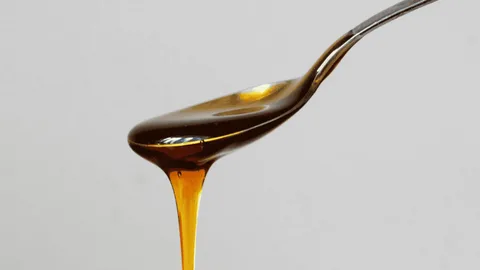
- Thick and slow-flowing — raw honey is denser and moves more slowly than filtered, heated honey
- Variable colour — pale gold (acacia, borage) to dark amber (heather, buckwheat); darker colour is associated with higher phenolic content, as confirmed by peer-reviewed research
- Uniformly clear, runny, and never crystallises — honey in this state has almost certainly been heated and filtered
Where to find genuine raw honey in the UK:
Farmers’ markets and direct-from-beekeeper sales are the most reliable sources, because small-scale producers rarely have the equipment for commercial pasteurisation or ultrafiltration. Health food shops typically stock raw honey from verified producers. When buying online, look for producers who state the extraction temperature or describe their process in specific terms — “never heated above hive temperature” or “cold-extracted at below 40°C” are more meaningful claims than “pure” or “natural” alone.
Raw heather honey from Scotland has the highest total phenolic content of the UK’s common monofloral varieties, as demonstrated in a 2025 peer-reviewed study. Wildflower (multifloral) raw honey varies by region and season.
Frequently Asked Questions:
Does raw honey expire or go off?
Genuine raw honey does not expire if stored in a sealed container away from moisture. Its low water content and natural antimicrobial properties prevent bacterial growth. Crystallisation is not spoilage — it confirms the honey has not been heated. Warm it gently in a bowl of water below 40°C to restore liquid texture.
What is the glycaemic index of raw honey?
Raw honey has a glycaemic index of approximately 50, according to the BHF, compared to refined sugar's GI of 80. Medical News Today gives a figure of 60, reflecting variation by honey type. Both confirm honey raises blood sugar more slowly than sugar due to its higher fructose proportion.
Is raw honey better for people with diabetes?
Raw honey's GI of approximately 50 is lower than refined sugar's GI of 80, meaning it raises blood sugar more slowly. It still contains glucose and counts as a free sugar. People with diabetes should choose genuinely unpasteurised honey, consume it in strict moderation, and consult a healthcare professional before using it regularly as a sugar substitute.
Can you eat crystallised raw honey?
Crystallised raw honey is completely safe to eat and retains the same nutritional and enzymatic profile as liquid honey. Crystallisation confirms the honey has not been heated — it is a positive quality signal, not spoilage. Warm gently in a bowl of water below 40°C to reliquefy. Do not microwave it.
Is raw honey the same as organic honey?
No. Organic honey certifies that bees foraged on pesticide-free plants — it says nothing about how the honey was processed. Organic honey can be pasteurised and ultrafiltered, removing the enzymes and pollen that give raw honey its specific benefits. Check for "unpasteurised" or "cold-extracted" on the label alongside any organic certification.