- No Products In The Cart
- start shopping
Raw Honey Chocolates: The UK Buyer’s Guide Brands, Prices & What to Look For
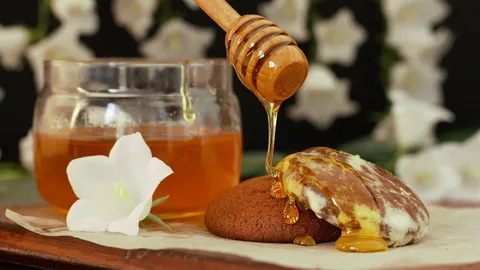
Raw honey chocolates are chocolate bars, truffles, or spreads sweetened exclusively with unpasteurised raw honey instead of refined sugar. The raw chocolate community defines “cold-processed” as keeping every ingredient below 42°C — the point at which raw honey’s natural enzymes begin to degrade. The leading UK brands — including HoneyCacao and Stone’s Honey — sell bars from £5.00 per 100g, available direct online.
The Best Raw Honey Chocolates You Can Buy in the UK Right Now
Every brand in this guide uses British or organic honey and avoids refined sugar entirely. No genuine raw honey chocolate bar was found in any major UK supermarket at the time this guide was researched — the brands reviewed here sell primarily through their own websites and Etsy UK.
The table below compares the main UK options by format, price, and processing standard.
| Brand | Format | Weight | Price | Price/gram | Cacao % | Processing Temp | Award |
| Stone’s Honey | Chocolate bar | 100g | £5.00 | £0.050/g | Min. 75% | “Very low temperatures” (stated) | Great Taste producer |
| HoneyCacao | Chocolate bar | 75g | £6.80 | £0.091/g | Not stated | Below 38°C (stated) | — |
| Honey Heaven | Honey-cacao spread* | 300g | £15.00 | £0.050/g | N/A | Not stated | — |
| Real Raw Honey | Honey-cacao spread* | 450g | £10.99 | £0.024/g | N/A | Not stated | GB-ORG-04 organic |
| B Chocolates | Truffle / caramel** | Varies | Not listed | N/A | Not stated | Not raw-processed** | GT 2★ 2014, Gold 2017 |
| Northumberland / Davenports | Truffle box** | ~12 pcs | £16.00 | N/A | Not stated | Not raw-processed** | — |
*Spread format — not a chocolate bar. See the format guide below. **These products use a sugar-based chocolate base. See the format guide below.
Stone’s Honey produces bars from Devon using unroasted organic cacao and a minimum cacao content of 75%, as stated. At £5.00 per 100g, it offers the lowest per-gram price in the bar category and holds Great Taste producer status.
HoneyCacao is a Devon-based brand that processes all its chocolate below 38°C, as stated at honeycacao.co.uk. Its bars contain no emulsifiers, no soya, no preservatives, no glucose or fructose syrup, and no sulphites. Plain 75g bars cost £6.80, with flavoured variants (hazelnuts, walnuts and apricots, bananas and mango) at the same price. Gift formats include a heart-shaped box of 250g for £17.00 and a birthday gift basket at £52.00.
B Chocolates in Suffolk has won multiple Great Taste Awards, including two stars for its Dark Honey Truffle in 2014. It also won a gold star for its Honeycomb Thins in 2017, as listed at bchocolates.co.uk. It has also received coverage in the Financial Times “How to Spend It.” Note that B Chocolates uses French couverture chocolate for dipping — standard tempered chocolate, not raw-processed cacao. It is an artisan honey chocolate brand, but not a raw honey chocolate brand in the cold-processing sense.
Real Raw Honey offers a 30-day return policy on its honey-cacao products, as stated at realrawhoney.co.uk — the only brand in this guide to do so explicitly.
What About Raw Honey Chocolate on Etsy UK?
Etsy UK hosts a marketplace selection of raw honey chocolate from independent sellers. Etsy listings rank in the UK SERP for this keyword. The advantage is variety — small makers who do not run their own websites sell here. The limitation is verification: processing temperature claims and ingredient standards are harder to check on marketplace listings than on brand websites, and allergen information may be less detailed. Always read the full product description and message the seller directly if you need to confirm a specific processing standard.
Honey Chocolate Bar, Honey Truffle, or Honey-Cacao Spread — What’s the Difference?
A honey-sweetened chocolate bar uses raw honey as the sole sweetener inside the chocolate mass itself; a honey-filled truffle uses a sugar-based shell with honey ganache inside; a honey-cacao spread blends honey with cacao powder in a jar — three different products with different sweeteners, formats, and uses.
- Honey-sweetened chocolate bar: Raw honey is the sole sweetener inside the chocolate mass — no refined sugar used. HoneyCacao and Stone’s Honey make this format. This is what “raw honey chocolate” most precisely describes.
- Honey-filled chocolate / truffle: A sugar-based chocolate shell encloses a honey-flavoured ganache; refined sugar is still the primary sweetener. Northumberland/Davenports and B Chocolates make this format.
- Honey-cacao spread: Raw honey and raw cacao powder are blended in a jar; eaten by the spoon or spread on toast, not a chocolate bar. Real Raw Honey and Honey Heaven make this format. Like bean-to-bar production, the spread format keeps every ingredient visible and traceable.
The reason honey is so difficult to incorporate directly into chocolate mass is technical. As Mark Burrows of Pollinator Chocolate explains: “Honey being a liquid at 16% moisture content is far too much to add into the chocolate.” Makers who do it successfully add honey in very small amounts over a long period, allowing the moisture to evaporate into the warmer chocolate.
A buyer specifically avoiding refined sugar must read the full ingredient list before purchasing. If sugar appears before honey in the ingredient list, the product is a conventional chocolate flavoured with honey — not a honey-sweetened chocolate.
What Is Raw Honey Chocolate — and What Makes It Different from Regular Dark Chocolate?
Raw honey chocolate is fundamentally different from regular dark chocolate in two ways: what sweetens it, and how it is processed. Regular dark chocolate uses refined sugar and exposes cacao to temperatures of up to 150°C during roasting (en.wikipedia.org/wiki/Raw_chocolate). Raw honey chocolate uses unpasteurised honey as its sole sweetener and keeps every ingredient below 42°C throughout processing.
That temperature threshold matters because heat destroys the biological compounds that make both raw cacao and raw honey nutritionally valuable. Roasting cacao above its threshold converts it from cacao to cocoa — the same ingredient, stripped of most of its heat-sensitive enzymes, antioxidants, and vitamins.
HoneyCacao states on its homepage at honeycacao.co.uk: “We use UNROASTED organic cacao, rarely used in regular chocolate and its list of health benefits is just as long as that of honey. So we have a team of two ‘superfoods’ here creating a guilt free treat!” The result tastes noticeably different from standard dark chocolate — richer, more aromatic, and less bitter — because unroasted cacao retains flavour complexity that roasting partially removes.
What Does “Raw” Actually Mean — Is It a Regulated Term in the UK?
“Raw” in food labelling carries no single official definition in UK food law, and no certification body exists to verify the claim independently. This means the term is applied at each brand’s own discretion, and buyers cannot confirm it from packaging alone.
The raw chocolate community uses a processing temperature of below 42°C as the upper threshold for the “raw” designation, as documented at en. HoneyCacao sets its own internal standard even lower, at below 38°C, as stated at honeycacao.co.uk. For raw honey specifically, enzyme degradation begins above approximately 40°C, as noted.
Because the claim is unverified externally, three checks help a buyer evaluate it:
- Look for a stated processing temperature. A brand that commits to a specific figure (38°C or 42°C) is more credible than one using only the word “raw” with no number.
- Check whether cacao is described as “unroasted” or “raw organic cacao.” This is the ingredient-level signal that the base has not been heat-processed.
- Confirm the honey is unpasteurised. Pasteurisation uses heat. A product containing pasteurised honey cannot credibly claim to be fully raw, regardless of the cacao processing standard.
Crystallisation in the honey component is a positive quality signal, not a defect. Real Raw Honey notes at realrawhoney.co.uk that crystallisation “is a natural process in raw honey that indicates rawness and high quality.”
What Ingredients Should Raw Honey Chocolate Contain — and What Should You Avoid?
A genuine raw honey chocolate bar contains three core ingredients. Everything beyond those three is worth scrutinising.
| Look For | Avoid |
| Raw honey / unpasteurised honey (listed first or second) | Refined sugar — white, brown, or coconut (if listed before honey, honey is a flavouring only) |
| Raw cacao / unroasted cacao / organic raw cacao | Emulsifiers / soya lecithin (signal of industrially produced chocolate) |
| Cacao butter (the natural fat from the cacao bean) | Glucose or fructose syrup |
| Optional: organic certification (GB-ORG-04 or OFG Organic — both verifiable UK credentials) | Maltodextrin (a processed starch; present in the Northumberland/Davenports truffle box ingredient list at northumberlandhoney) |
| Optional: stated minimum cacao % (Stone’s Honey states minimum 75% | Preservatives |
| Optional: named UK provenance for honey (Devon, Suffolk, Northumberland) | Palm oil |
| Sulphites | |
| Artificial flavourings |
The Northumberland/Davenports truffle box is a useful reference point for what to avoid. Its full ingredient list, as published at northumberlandhoney.co.uk, includes milk chocolate with sugar as the primary ingredient, soya lecithin as an emulsifier, maltodextrin, artificial colour powders, and corn starch — alongside the honey. This is conventional confectionery, not raw honey chocolate.
HoneyCacao’s approach is the clearest counter-example. Its homepage at honeycacao.co.uk states explicitly: “No sweeteners, no emulsifiers, no soya, no preservatives, no glucose/fructose syrup, no sulphites.” The negative list is as informative as the positive ingredient list, because it closes every common loophole used by less transparent producers.
The word “honey” in a product name does not guarantee honey is the only sweetener. Always check the full ingredient list — if sugar appears before honey, the product is a conventional chocolate flavoured with honey, not a honey-sweetened chocolate.
What Does “Ethical British Beekeeping” Mean for the Honey in Your Chocolate?
“Ethical British beekeeping” means, at minimum, sourcing from named independent UK beekeepers who do not use imported blended honey and ideally hold membership of a professional body such as the Bee Farmers Association.
HoneyCacao sources its honey exclusively from “small independent British beekeepers who look after their bees in a sustainable and ethical way,” as stated at honeycacao.co.uk. B Chocolates sources from Suffolk coastal beekeepers, including hives on the farm where it operates, as described at bchocolates.co.uk. Stone’s Honey, based in Devon, is itself a multi-award-winning honey producer — its chocolate uses its own honey, which eliminates supply-chain opacity entirely.
Northumberland Honey Co holds Bee Farmers Association membership, visible on its website at northumberlandhoney.co.uk. The Bee Farmers Association — representing professional bee farmers across the UK, as stated — requires members to demonstrate they are operating or developing a bee farming business and to abide by its code of conduct.
Three things to look for when evaluating a brand’s honey sourcing claim:
- Named beekeeper relationships — a brand that names its beekeeper partners or operates its own hives carries more credibility than one making a generic “ethical” claim.
- UK-only honey — blended imported honey is significantly cheaper than British single-origin honey. A brand that specifies “UK honey” or “Devon honey” is being more transparent about cost and sourcing.
- Association membership — Bee Farmers Association membership at beefarmers.co.uk provides a baseline professional standard.
Is Raw Honey Chocolate Actually Healthier Than Regular Chocolate?
Raw honey chocolate retains more biologically active compounds than standard dark chocolate, because neither the cacao nor the honey has been heat-processed to the point of destroying them. That is a factual production difference — and one that nutritional research supports for both ingredients individually.
Raw cacao is one of the richest dietary sources of flavonoids and magnesium, as documented. Flavonoids are antioxidant compounds that have been studied for their role in supporting cardiovascular and circulatory health. Magnesium, present in significant quantities in raw cacao powder, plays a role in energy metabolism, nervous system function, and muscle relaxation.
Raw honey contains natural enzymes, beneficial bacteria, and antimicrobial compounds that are destroyed by pasteurisation, as documented. HoneyCacao states at honeycacao.co.uk that its honey is “bursting with antioxidants, vitamins and enzymes” and retains “friendly bacteria.”
A 75g chocolate bar is not a therapeutic dose of any of these compounds. Raw honey chocolate is a better-quality food choice than sugar-sweetened chocolate for someone seeking fewer processed ingredients — but it is not a health supplement.
Honest tradeoff: Raw honey chocolate still contains natural sugars from the honey. “No refined sugar” does not mean “no sugar.” A person reducing total sugar intake should treat raw honey chocolate as an occasional food, not a free alternative.
What Is the Glycaemic Index of Raw Honey Chocolate — Is It Diabetic-Friendly?
Raw honey chocolate is not diabetic-friendly in the way that some buyers assume. Honey has a glycaemic index (GI) of approximately 52, as noted by Elements for Life which means it raises blood glucose more slowly than pure glucose (GI 100, the reference point for the scale) but still raises it meaningfully.
The GI of a finished raw honey chocolate bar will depend on its ratio of honey to cacao, and no UK brand currently publishes a GI figure for its finished product. Cacao powder has a low glycaemic index — it is classified as a low-GI food because most of its carbohydrate content is dietary fibre, as documented at whitakerschocolates.com/blogs/blog/cocoa-powder-nutrition-facts. Cacao butter contains no digestible carbohydrate and has negligible effect on blood glucose. The honey is therefore the primary glycaemic variable in any raw honey chocolate product.
| Sweetener / Ingredient | Approximate GI | Notes |
| Raw honey | ~52 | |
| Pure glucose | 100 | The reference standard against which all GI values are measured |
| Cacao butter | Negligible | No digestible carbohydrate |
| Raw cacao powder | Low (~20) | Classified as low-GI; most carbohydrate is dietary fibre. |
Elements for Life states the product “isn’t quite as diabetic friendly, as honey has a higher GI of around 52.”
One verified buyer of Real Raw Honey’s honey-cacao product, reviewing at realrawhoney.co.uk in December 2025, noted having diabetes and looking forward to trying the product when able — evidence that diabetic buyers are actively seeking out this category without always having GI information readily available.
Honest tradeoff: People managing blood glucose should not treat raw honey chocolate as a sugar-free food. The honey content raises blood glucose. Always seek guidance from a registered dietitian or GP before incorporating raw honey chocolate into a diabetic diet plan.
How Much Does Raw Honey Chocolate Cost in the UK, and Where Can You Buy It?
Raw honey chocolate costs significantly more per gram than mass-market dark chocolate. UK raw honey chocolate bars in this guide range from £0.050/g (Stone’s Honey) to £0.091/g (HoneyCacao). Raw honey costs more to produce than refined sugar because it is not heated, not filtered, and made in small batches — as documented at numidiakingdom.co.uk/british-honey-prices-uk/. HoneyBee & Co notes at that “honey costs more because you are paying for provenance and craft.” Unroasted organic cacao is similarly priced above commodity cocoa, and small-batch handmade production carries no economies of scale.
| Brand | Format | Weight | Price | Price/gram | Where to Buy | Free Shipping From |
| Stone’s Honey | Chocolate bar | 100g | £5.00 | £0.050/g | stoneshoney.com | £15 |
| Stone’s Honey | 3-bar variety pack | 3×100g | £12.95 | £0.043/g | stoneshoney.com | £15 |
| HoneyCacao | Chocolate bar | 75g | £6.80 | £0.091/g | honeycacao.co.uk; Etsy UK | £15 |
| HoneyCacao | Heart box | 250g | £17.00 | £0.068/g | honeycacao.co.uk | £15 |
| HoneyCacao | Unpackaged bulk | 400g+ | £22.00 | £0.055/g | honeycacao.co.uk | £15 |
| Honey Heaven | Honey-cacao spread | 300g | £15.00 | £0.050/g | honeyheaven.co.uk | £50 |
| Real Raw Honey | Honey-cacao spread | 450g | £10.99 | £0.024/g | realrawhoney.co.uk | £49.99 |
| Northumberland/Davenports | Truffle box | ~12 pcs | £16.00 | N/A | northumberlandhoney.co.uk | £60 |
HoneyCacao’s unpackaged bulk option (400g+ for £22.00) reduces its per-gram cost to £0.055/g — a better-value option for buyers who want HoneyCacao’s 38°C processing standard without the individual bar price.
How Long Do Raw Honey Chocolates Last — and How Should You Store Them?
Commercial raw honey chocolate bars last between three and six months from production date. Northumberland Honey Co states at northumberlandhoney.co.uk that its best-before date is “usually between 3 and 6 months depending on how soon from production chocolates are purchased.” This is shorter than mass-market chocolate, which uses preservatives and controlled-atmosphere packaging to extend shelf life.
Raw honey chocolate bars contain no preservatives. Whitakers Chocolates, a UK chocolate maker, states at that “the best temperature to store chocolate is between 65 and 70 degrees Fahrenheit (18 to 21 degrees Celsius).” Keep bars in a cool, dry cupboard within that range, away from direct sunlight and strong odours. Avoid unnecessary refrigeration — when cold chocolate is moved to a warmer environment, condensation forms on the surface, which can cause bloom: a white or grey surface discolouration that is harmless but affects texture, as documented.
Three storage rules for commercial raw honey chocolate bars:
- Keep in a cool, dry cupboard between 18–21°C, away from direct sunlight and strong odours.
- Check the best-before date before purchasing as a gift — order with enough lead time for the recipient to enjoy the full shelf life.
- Once opened, reseal in an airtight container or wrap tightly in its original foil.
How to Make Raw Honey Chocolates at Home — Step-by-Step Recipe
Making raw honey chocolates at home requires four ingredients and straightforward equipment. The process keeps every ingredient below 42°C throughout — the same principle that defines commercial raw honey chocolate production.
Ingredients:
- 60g raw cacao butter
- 50g raw cacao powder
- 15–25g raw honey (adjust to taste)
- 10g bee pollen (optional — as a topping)
These quantities are drawn from the Elements for Life recipe -chocolates.
Method:
- Make sure every utensil — bowl, whisk, spatula, jug, mould — is completely dry before starting. A single drop of water causes chocolate to seize and separate.
- Place a clean, dry bowl over a saucepan of hot water (bain marie). The bowl must not touch the water surface, and no steam should enter the bowl.
- Grate the cacao butter and add it to the bowl. Allow it to melt slowly over the hot water. Turn off the heat after bringing it to temperature — you need residual warmth, not sustained boiling.
- Once the cacao butter is fully melted, add the raw cacao powder. Stir with a balloon whisk or fork until the mixture thickens and the powder is fully incorporated with no lumps.
- Check the temperature. The mixture should feel warm to the touch but not hot. If it exceeds 42°C, remove the bowl from the heat and allow it to cool before proceeding.
- Add 15g of raw honey and the bee pollen. Stir thoroughly. Taste the mixture — if you prefer it sweeter, add more honey in 2–3g increments, stirring and tasting after each addition. Do not exceed 25g without reducing another liquid component, as excess moisture risks separation.
- Pour the mixture gently into silicone moulds using a jug or a spoon. Silicone is preferable because it releases set chocolate cleanly without cracking.
- Refrigerate for a minimum of one hour. If you cannot wait, the freezer will set the chocolate in 20–30 minutes. The chocolates are ready when they feel firm to the touch and release cleanly from the mould.
Storage:
| Storage Method | Shelf Life | Notes |
| Airtight container in fridge | Up to 4 weeks | The standard approach for home-made raw chocolate |
| Airtight container in freezer | 3+ months | Wrap individually to prevent freezer odour absorption |
| Room temperature | Not recommended | Home-made raw honey chocolates are untempered — they will go grainy and soft |
Why Do Home-Made Raw Honey Chocolates Go Soft at Room Temperature?
Home-made raw honey chocolates go soft at room temperature because they are untempered. Tempering is a technique applied in chocolate production to create chocolate that is glossy, has a good snap, and is resistant to bloom — it works by cooling liquid chocolate while agitating it until cocoa butter crystallises into a stable form, as described at en.wikipedia.org/wiki/Tempered_chocolate. Commercial chocolate bars — including commercial raw honey chocolate bars — are tempered during production, which is why they hold their shape at room temperature.
Home-made chocolate made via the bain marie method is not tempered. The cacao butter crystals in an untempered bar are unstable, and at room temperature those crystals reorganise into softer, less stable forms — causing the chocolate to become grainy or to bloom on the surface.
The solution is straightforward: keep home-made raw honey chocolates in an airtight container in the fridge at all times. Take them out just before eating. They will keep their texture and flavour perfectly under refrigeration for up to four weeks.
Is Raw Honey Chocolate Suitable for Your Diet? Paleo, Vegan, Gluten-Free & More
Whether raw honey chocolate fits your diet depends on which format you are buying. The answer differs significantly between honey-sweetened bars, honey-filled truffle boxes, and honey-cacao spreads.
| Diet / Lifestyle | Raw Honey Chocolate Bar | Honey Truffle Box | Honey-Cacao Spread | Notes |
| Paleo | ✅ Yes | ❌ No | ✅ Yes | Truffle boxes contain refined sugar and dairy — both excluded by paleo |
| Vegan | ❌ No | ❌ No | ❌ No | All formats contain honey, which is an animal product |
| Gluten-free | ✅ Likely | ❌ Check label | ✅ Likely | Cross-contamination varies by producer — always check allergen statement |
| Dairy-free | ✅ Likely | ❌ No | ✅ Likely | Davenports truffle box contains whole milk powder; B Chocolates uses cream |
| Refined sugar-free | ✅ Yes | ❌ No | ✅ Yes | Honey contains natural sugars — “sugar-free” means refined sugar-free only |
| Diabetic-friendly | ⚠️ Caution | ❌ No | ⚠️ Caution | Honey GI ~52; consult a healthcare professional |
| Clean eating | ✅ Yes | ⚠️ Partial | ✅ Yes | Depends on full ingredient list |
Raw honey chocolate bars — made from raw cacao, cacao butter, and raw honey only — contain no grains, no refined sugar, no dairy, and no legumes. These are the four food groups excluded by the paleo dietary framework. No UK raw honey chocolate brand currently carries a certified paleo label, but honey-sweetened bars from HoneyCacao and Stone’s Honey meet the paleo ingredient criteria as their ingredients are currently published.
Raw honey chocolate is not vegan. Honey is produced by bees and is excluded from a strict vegan diet. This applies to every format: bars, truffle boxes, and spreads.
Honest tradeoff: “Refined sugar-free” does not mean “low sugar.” Raw honey contains natural fructose and glucose. A 75g bar of raw honey chocolate contains meaningful natural sugar from the honey component. Someone reducing total sugar intake — not just refined sugar — should account for the honey content in their daily intake.
Is Raw Honey Chocolate Safe for Everyone? Children, Pregnancy & Allergens Explained
Raw honey chocolate is safe for most healthy adults. For three specific groups, it requires either a caution or a firm avoidance — and no competitor page currently makes this clear.
| Allergen | Present In | Source |
| Bee pollen | Some chocolate bars (as topping) | HoneyCacao; Elements for Life recipe |
| Tree nuts (hazelnut, walnut, almond) | Flavoured bars | HoneyCacao; Stone’s Honey |
| Milk / dairy | Honey truffle boxes; caramels | Northumberland/Davenports; B Chocolates |
| Soya (as lecithin) | Honey truffle boxes | Northumberland/Davenports (ingredient list confirms) |
| Gluten (may contain traces) | Some products | Varies by producer — check individual label |
| Sulphites | Some products | HoneyCacao Etsy allergen statement |
Under the UK Food Information Regulations 2014, all 14 major allergens must be declared on packaged food labels — the full list is available at food. Check the allergen statement on every individual product before purchasing.
People with pollen allergies should exercise extra caution with raw honey chocolate products that include bee pollen as a topping. Bee pollen is a distinct allergen from honey itself, and its presence must be declared on the label.
Who Should Not Eat Raw Honey Chocolate?
Three groups should not eat raw honey chocolate, or should consult a medical professional before doing so.
- Children under 12 months old — do not give raw honey chocolate under any circumstances. The NHS advises at that honey must be completely avoided until a child is over one year old, because honey can contain bacteria that produce toxins in a baby’s intestines, leading to infant botulism. The NHS reiterates this at : “Honey should be completely avoided until your baby is 12 months old. It contains bacteria that can lead to infant botulism, which can make your baby seriously unwell.” Raw honey, being unpasteurised, carries this same risk.
- Pregnant women — exercise caution and seek medical advice. The NHS advises pregnant women at to avoid certain unpasteurised foods. Raw honey is an unpasteurised food. Consult your midwife or GP before eating raw honey chocolate during pregnancy.
- Breastfeeding women — same precautionary guidance as pregnancy. HoneyCacao’s Etsy product listing explicitly states the product is “not suitable for children under 12 months, pregnant and breastfeeding women.” Consult your healthcare provider if in doubt.
Gift-buying note: If you are buying raw honey chocolate as a gift, consider whether the recipient may be pregnant, breastfeeding, or have a baby under 12 months in the household. The infant botulism risk makes raw honey chocolate an unsuitable gift for a new parent who may have a baby under one year old.
If you have any specific health concern about whether raw honey chocolate is appropriate for you or someone in your care, consult a registered dietitian or your GP before purchasing.
Frequently Asked Questions:
Is raw honey chocolate vegan?
Raw honey chocolate is not vegan. Raw honey is an animal product excluded from a vegan diet. This applies to bars, truffle boxes, and honey-cacao spreads equally.
Can children eat raw honey chocolate?
Children under 12 months must not eat raw honey chocolate. The NHS advises that honey must be avoided until a child is over one year old, due to infant botulism risk. Children aged over 12 months can eat it safely.
How do you make raw honey chocolate at home?
Melt 60g raw cacao butter in a bain marie below 42°C. Stir in 50g raw cacao powder until combined. Add 15–25g raw honey off the heat. Pour into silicone moulds and refrigerate for one hour. Store in an airtight container in the fridge for up to four weeks.
Why is raw honey chocolate more expensive than regular chocolate?
Raw honey costs more than refined sugar because it is unheated, unfiltered, and produced in small batches. Unroasted organic cacao is priced above standard cocoa. UK raw honey chocolate bars range from £5.00 per 100g (Stone's Honey) to £6.80 per 75g (HoneyCacao).
Is raw honey chocolate paleo-friendly?
Yes. Honey-sweetened bars from raw cacao, cacao butter, and raw honey contain no grains, refined sugar, dairy, or legumes — meeting the paleo framework. Honey-filled truffle boxes are not paleo-compliant; their base contains refined sugar and dairy. Always verify the specific brand's ingredient list.